





















Olivia Dean Wins Best New Artist at the 2026 Grammys After a Breakout Year Fueled by “Man I Need”

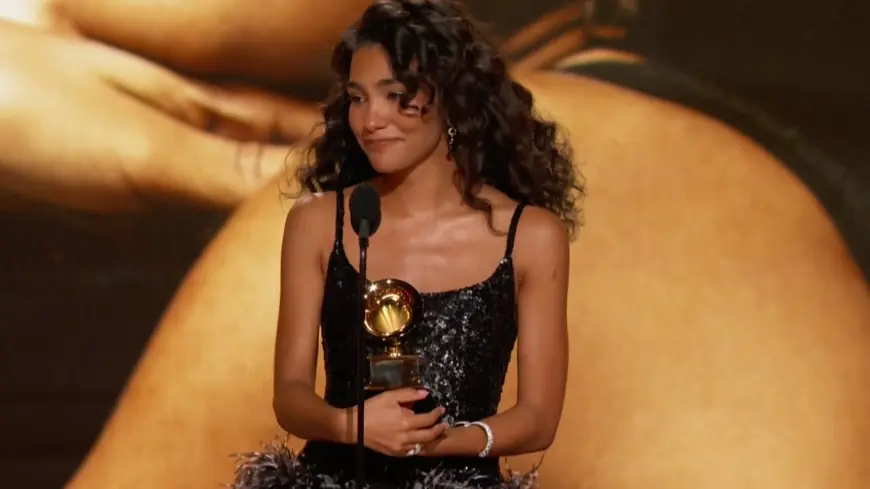
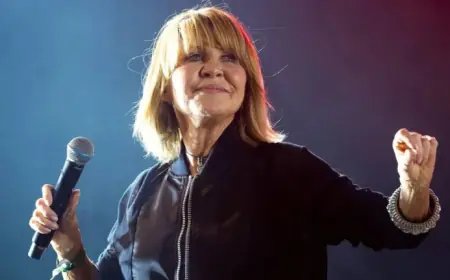
Olivia Dean’s rise from a London upbringing to a prime-time Grammy moment reached a new peak on Sunday, February 1, 2026, when she won Best New Artist at the 68th Grammy Awards in Los Angeles. The win followed a performance of her breakout track “Man I Need,” a song that has become a calling card for her warm, retro-leaning pop-soul sound and a shorthand answer to the most-searched question: who is Olivia Dean?
The award also capped an unusually fast international acceleration: a second album that broadened her audience, a signature single that moved beyond core soul and R&B listeners, and a public persona that reads as deliberate rather than manufactured in an era that often rewards speed over staying power.
Olivia Dean Grammy win: what happened on Grammy night
Dean performed “Man I Need” during the broadcast as part of a Best New Artist nominee showcase, then later returned to the stage to accept the award. The televised ceremony began at 8:00 PM ET on February 1, 2026, with many additional categories presented earlier in the day in a separate pre-telecast program.
Best New Artist is often treated as a “future tense” Grammy, less a reward for a single hit than a bet on who can build a durable career across albums, touring, and cultural impact. Dean’s victory signals that voters saw more than a moment; they saw a runway.
A parallel curiosity in search trends, “sombr Grammys,” reflects how crowded and attention-splitting the Best New Artist field was this year, with multiple nominees getting spotlight performances that created their own viral aftershocks even without a win.
Olivia Dean songs: “Man I Need” and the sound that broke through
If you’ve only heard one Olivia Dean song, there’s a strong chance it’s “Man I Need.” The track sits in a sweet spot: classic soul phrasing, modern pop structure, and a lyrical tone that feels intimate without leaning into melodrama. It’s also a gateway into her broader catalog, which blends pop, R&B, and jazz-adjacent textures into something that feels both familiar and current.
Her recent momentum has largely centered on her second studio album, The Art of Loving (2025), which positioned her as more than a promising vocalist: a songwriter building a coherent emotional world across an album, not just chasing singles. For new listeners working backward, her debut album Messy (2023) offers the foundation of that identity—smoother, smaller-scale, but clearly pointing toward the bigger stage she’s on now.
Where is Olivia Dean from, and what nationality is she?
Olivia Dean is English. She was born in the London Borough of Haringey and grew up in northeast London. Her background also answers one of the most common follow-up questions—“Olivia Dean parents” and “nationality”—because her heritage is mixed: her mother is Jamaican-Guyanese, and her father is English. That family story has appeared in her public narrative as a source of pride and perspective, particularly when she references her grandmother’s migration and the courage embedded in starting over.
Behind the headline: why this win, and why now
Dean’s Best New Artist victory is a case study in how “breakout” has changed. The incentives are no longer just radio spins and late-night TV appearances; they’re touring consistency, cross-market streaming performance, and an image that can scale globally without collapsing into gimmick.
For awards voters, the incentive is legitimacy: crowning an artist who can credibly carry the genre-mixing, global-facing future of pop. For labels and managers, the incentive is leverage—higher billing on festivals, stronger negotiating power for brand partnerships, and a clearer lane for international touring. For fans, the incentive is emotional: backing an artist who feels like she has something to say, not just something to sell.
There’s also a quieter industry pressure point at work: as genres blur, categories like Best New Artist become a proxy battle over what “mainstream” even means. Dean’s sound is rooted in soul, but her success argues that “soul-forward” can still be pop’s center, not its side street.
What we still don’t know about Olivia Dean’s next phase
Winning Best New Artist is a launchpad, but it also raises unanswered questions that will shape 2026:
-
Will her next singles push further into pop scale, or double down on the restrained soul palette that built trust with early fans?
-
How quickly will she announce a major tour expansion, and which markets become priorities?
-
Can she avoid the post-Grammy trap where heightened expectations force artists into rushed releases?
What happens next: likely scenarios and triggers
-
A rapid tour rollout for late 2026, driven by demand and promoter confidence after the win
Trigger: new dates announced within weeks -
A deluxe edition or companion release to extend The Art of Loving’s lifecycle
Trigger: sustained chart and ticket momentum through spring -
High-profile collaborations aimed at widening radio and playlist reach
Trigger: strategic features timed around summer festival season -
A shift in public positioning from “breakout” to “album artist”
Trigger: interviews and performances that emphasize songwriting and long-form storytelling
Olivia Dean’s Grammy moment matters because it signals an appetite—for warmth, musicianship, and patience—at a time when the industry often feels optimized for noise. Her win doesn’t just answer “who is Olivia Dean.” It turns the question into a forecast.