

























“Snow Moon Illuminates Tonight’s Sky”

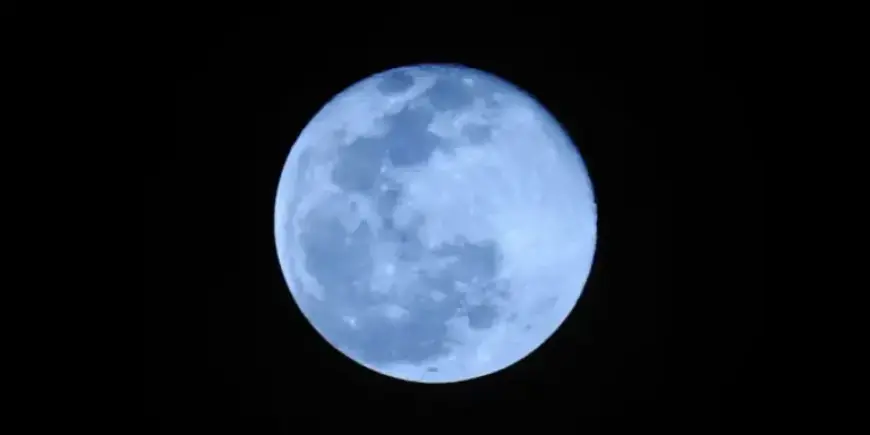
The full moon known as the “Snow Moon” will grace the night sky, providing an exceptional viewing opportunity for enthusiasts and casual observers alike. Traditionally, the Snow Moon occurs in February, named for the heavy snowfall that typically characterizes this month in many regions of the Northern Hemisphere.
What is the Snow Moon?
The Snow Moon receives its name from varying cultural interpretations of full moons. Each month has unique names that reflect seasonal changes and events. February is often associated with intense winter conditions, thus earning the Snow Moon title.
Viewing Tips for the Snow Moon
When observing the Snow Moon, there are several tips to enhance your experience:
- Find a location with an unobstructed horizon.
- Avoid bright city lights for clearer visibility.
- Dress warmly for winter temperatures.
Photography Recommendations
For capturing stunning images of the Snow Moon, consider the following tips:
- Use a tripod to stabilize your camera.
- Employ a telephoto lens for detailed close-ups.
- Set a low ISO to minimize noise and enhance clarity.
- Experiment with shutter speeds to balance the moon’s brightness against any foreground elements.
When photographing the moon, avoid overexposing it. Adjust your settings if you are including people or buildings in your shots. This ensures the moon remains well-defined and prominent in your images.
Additional Observations
Skywatchers might also notice Earth’s shadow casting over the moon, along with a faint glow called earthshine. This phenomenon is particularly visible just before and after the lunar peak. For an even closer look at surface details, binoculars can be beneficial.
As the Snow Moon illuminates the sky tonight, enjoy the celestial display and take necessary precautions when traveling through winter conditions. Connecting with nature through such events reminds us of the beauty of the universe.