























Iguanas Drop from Trees in Florida Amid Southern U.S. Cold Snap

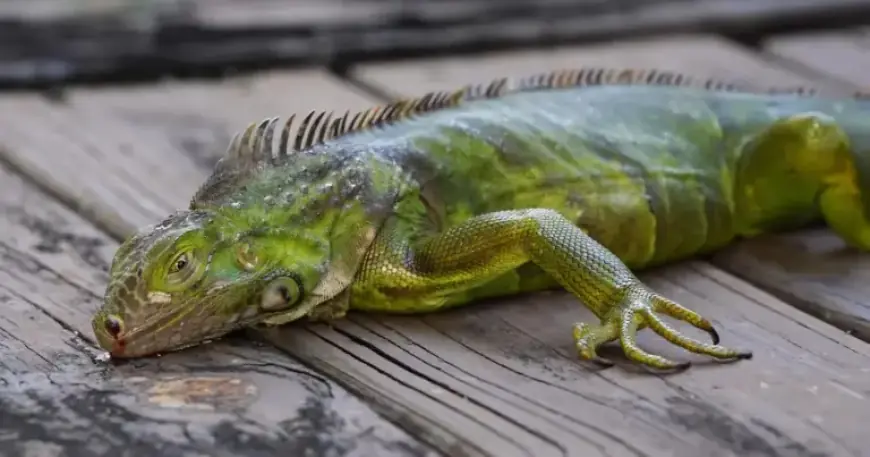
A recent cold snap across the southern United States has led to unusual occurrences in Florida, particularly involving iguanas. As temperatures plunged, iguanas dropped from trees, creating a surreal scene for residents. This phenomenon is characteristic of Florida’s cold-blooded reptiles, which are affected adversely by low temperatures.
Iguanas in Florida Amidst Cold Weather
On February 1, 2026, Florida faced a significant drop in temperatures, reaching a record low of 24°F (-4°C) in Orlando. This marked the lowest temperature recorded in February since 1923. Typically, Florida’s temperatures in February range from daily lows of 12°C to highs of 23°C.
Cold Snap Effects Across the Southern U.S.
The cold weather stretched beyond Florida, impacting several southern states. North Carolina reported heavy snowfall, with areas like Lexington receiving 16 inches (40 cm) and Faust seeing 22 inches (56 cm) in the Walnut Mountains. Governor Josh Stein warned of over 1,000 road collisions and two fatalities during the cold snap, urging citizens to stay off the roads.
Invasive Species Response
In light of the iguana situation, Jessica Kilgore, an expert from Iguana Solutions, indicated that her service had collected numerous iguanas during this cold event. Florida’s Fish and Wildlife Conservation Commission even permitted the transport of iguanas to their offices, acknowledging the state’s struggle with these invasive species.
Weather Impact and Safety
- Snow in the Carolinas: Heavy snow is likely to taper off but remains linked to high winds along the East Coast.
- Flight Disruptions: Over 800 flights were canceled at Charlotte Douglas International Airport in North Carolina.
- Power Outages: Approximately 158,000 customers were without power, primarily affecting regions in Mississippi, Tennessee, Florida, and Louisiana.
This extreme weather event follows a recent storm that caused over 100 fatalities across multiple states. Residents are continually reminded to monitor the weather and prioritization of safety during these unpredictable conditions.