

























Justice dot gov Epstein files: DOJ posts millions of pages under new transparency law

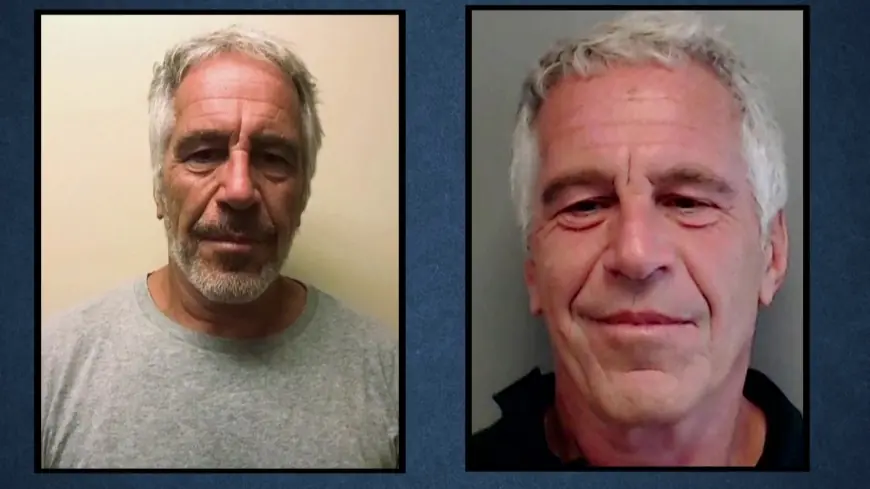
The Justice Department has posted a large new batch of records tied to Jeffrey Epstein and Ghislaine Maxwell, framing the release as a major step toward meeting a recently enacted disclosure mandate. The publication is already driving political pressure over what remains withheld, how heavily materials are redacted, and how the government is handling explicit content while protecting victims.
The release centers on what the department describes as a multi-year-spanning collection effort that produced a smaller set of “responsive” materials after duplicate and non-responsive items were removed, alongside extensive privacy redactions.
What was released and when
On Friday, Jan. 30, 2026 (ET), the Justice Department announced it published more than 3 million additional pages of material responsive to the Epstein Files Transparency Act, bringing the total release to nearly 3.5 million pages. The department said the batch includes more than 2,000 videos and about 180,000 images.
Department leadership described the effort as unusually large, involving more than 500 attorneys and reviewers, with added layers of quality control focused on preventing victim identification and complying with court orders in related matters.
Justice dot gov Epstein files: what’s inside
The posted material is broad and uneven by design, spanning investigations and prosecutions that stretched over decades. The department’s own description ties the collection to multiple investigative sources, including criminal cases in Florida and New York, the Maxwell prosecution in New York, investigations connected to Epstein’s death, and other related inquiries handled by federal law enforcement and oversight offices.
One practical result: the release contains a mix of case documents, emails, interview summaries, and media files rather than a single “master narrative.” That makes the archive powerful for cross-checking names, dates, and contact trails, but time-consuming to interpret without context and careful attention to redactions.
Why some content requires age verification
A key change from many prior public document dumps is the department’s decision to gate access behind an age-verification prompt. The department said the production includes sexually explicit videos and images recovered from electronic devices seized under warrant, and that public release was required by the law.
To reduce the risk of identifying victims or possible victims, the department said it applied redactions to females depicted in the material, including in videos that appear to be commercial pornography where identity and status could not be confirmed. The age gate is meant to limit casual access while still allowing public inspection.
What remains withheld or delayed
Even as the department characterizes the Jan. 30 release as satisfying its production obligations, it also points to categories of material that may be delayed by legal process. The department described efforts to seek court permission to release certain materials subject to sealing or protective orders in a separate civil lawsuit. It also referenced a motion tied to releasing certain grand jury materials connected to a case involving corrections officers at the facility where Epstein died.
Those steps matter because they set a near-term timetable that depends on court decisions, not solely on departmental discretion. They also help explain why “identified as potentially responsive” and “released to the public” can differ sharply in scale.
Oversight fight moves to Congress
The release has prompted renewed demands on Capitol Hill for independent verification of completeness and for access to less-redacted versions for oversight purposes. Some lawmakers have argued that the public-facing disclosures do not fully match what the law envisioned, and they have pressed for an urgent review of unredacted materials in the department’s possession to assess compliance and redaction choices.
The department, for its part, has emphasized that protecting victim privacy drove a large share of the manual review work, and that the system-wide document hunt involved multiple offices, formats, and decades of records.
Key figures from the disclosure
| Metric | Amount | Notes |
|---|---|---|
| Additional pages posted Jan. 30, 2026 | 3+ million | Responsive pages in the latest batch |
| Total pages released to date | Nearly 3.5 million | Includes prior releases |
| Videos included | 2,000+ | Part of the latest publication |
| Images included | About 180,000 | Part of the latest publication |
Sources consulted: U.S. Department of Justice, Congress.gov, Associated Press, House Judiciary Committee Democrats