























Swapping Google Maps for Popular Navigation App Leads to Instant Regret

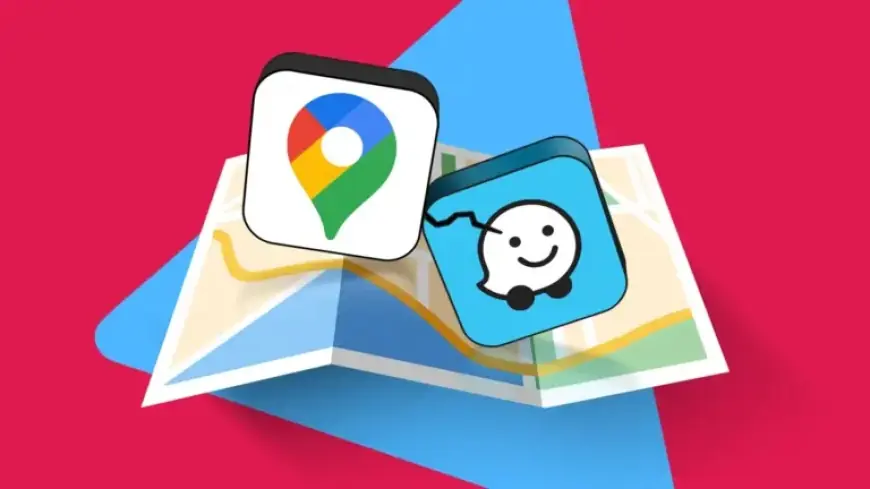
Many users have relied on Google Maps for navigation for years, appreciating its reliability and comprehensive features. However, the allure of Waze, with its community-driven data and real-time alerts, led some to explore this alternative. Despite initial excitement, many soon realize that switching navigation apps can lead to unforeseen frustrations.
Understanding the Appeal of Waze
Waze boasts a distinct identity centered on offering efficient routes and responding to traffic in real time. The app’s community-based approach allows users to report issues like accidents, speed traps, and road closures, often quicker than traditional sources. This feature appears particularly attractive to those seeking immediate insights during their drives.
Community Collaboration
- Real-time reporting of accidents and road hazards.
- Alerts from other users enhance navigation experience.
- Promotes a sense of community among drivers.
Challenges Faced When Switching to Waze
Despite Waze’s strong points, users frequently miss Google Maps’ unique features as time goes on. One notable aspect is the Google Maps Timeline, which logs a comprehensive history of users’ travels, including various transportation methods.
Comparing Navigation Histories
- Google Maps offers a long-term record of movement across all transport modes.
- Waze’s history feature is limited and feels less meaningful over time.
The Limitation of Waze’s Focus
Waze primarily caters to drivers, which can be a disadvantage for users who combine walking and public transport into their routines. The app does not effectively compare travel options, making it difficult for users who do not rely exclusively on driving.
Offline Functionality and Reliability
One critical area where Google Maps surpasses Waze is offline accessibility. Google Maps allows users to download entire regions for offline navigation. In contrast, Waze struggles in areas with poor connectivity, limiting its effectiveness in certain environments.
Key Differences: Map Detail and Navigation
- Google Maps shows detailed maps with lane markings and landmarks.
- Waze prioritizes speed alerts over map detail, which can hinder navigation in complex areas.
Conclusion: Lessons Learned from the Switch
While Waze has impressive real-time traffic capabilities, it lacks the planning, adaptability, and offline reliability that many users cherish in Google Maps. Following a trial period, many drivers conclude that Google Maps remains their preferred navigation app.