

























Apple Nearly Selected Another Partner Before Google Gemini for New Siri

In a recent revelation, Bloomberg’s Mark Gurman shared insights about Apple’s decision-making regarding its virtual assistant, Siri. Initially, Apple planned to enhance Siri using Claude, a language model created by Anthropic. However, it ultimately opted for Google’s Gemini platform.
Switch to Google Gemini for Siri
According to Gurman, Apple’s shift towards Google was influenced by financial negotiations. Anthropic demanded significant funds, which included several billion dollars annually with a steep price increase expected yearly. Gurman described this situation as placing Apple “over a barrel.” Despite this, Apple continues to utilize Anthropic’s technology for internal applications.
Internal Use of Anthropic
- Apple operates internal tools powered by Anthropic.
- Custom versions of Claude are deployed on Apple’s servers.
Gurman noted that Apple had not intended to collaborate with Google on Siri until recently. The company plans to introduce a revamped version of Siri, integrated with Google Gemini, by this year. This new feature will be part of iOS 26.4.
Expected Features and Release Timeline
The release of the enhanced Siri is slated for beta testing in February, with a public launch anticipated in March or April. Users will need an iPhone 15 Pro or newer to access the upgraded Siri functionalities.
Siri’s New Capabilities
Apple has indicated that the upgraded Siri will offer:
- Improved understanding of personal context
- Enhanced on-screen awareness
- Deeper in-app controls
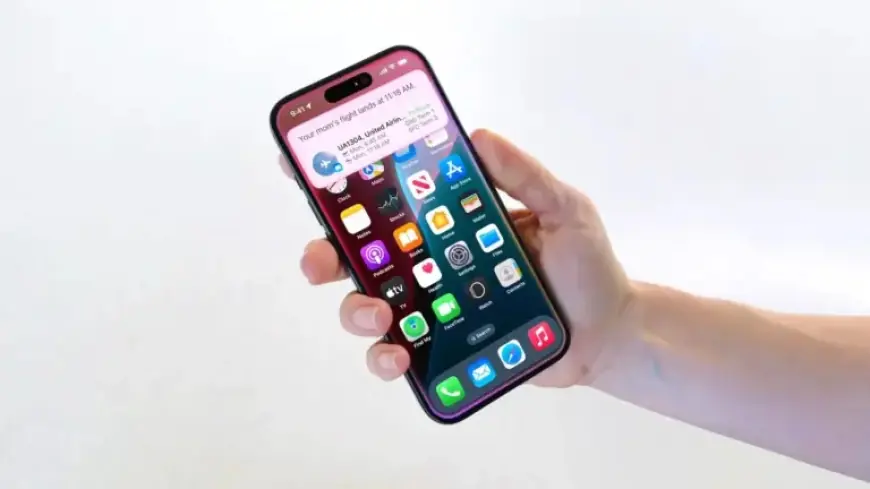
In June 2024, Apple demonstrated how the new Siri could assist users by referencing information from the Mail and Messages apps. For instance, Siri could answer questions about a user’s family member’s flight or lunch plans.
To sum up, Apple’s transition from Anthropic to Google for Siri represents a strategic choice driven by financial considerations and a vision for more personalized assistance. This shift is expected to mark a significant advancement in Siri’s capabilities and user experience.