

























Is the U.S. Preparing to Strike Iran? Unveiling Trump’s Strategy

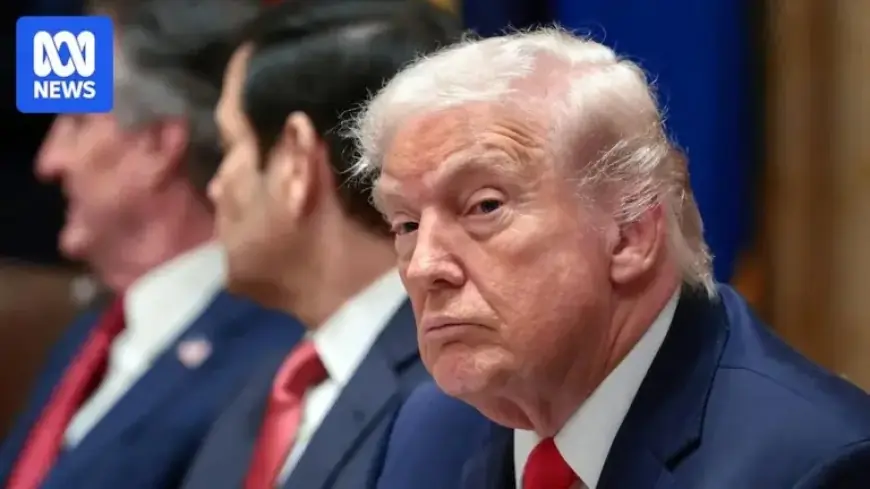
The increasing military presence of the United States near Iran raises significant questions about the country’s strategic intentions. President Donald Trump has not clearly articulated the objectives behind this formidable show of force. Is the aim to instigate regime change in Iran? If so, who would emerge as the new leadership? History shows that the overthrow of established regimes can lead to chaotic power vacuums, as seen in countries like Iraq, Libya, and Syria.
Understanding Trump’s Military Strategy
As tensions rise, Trump’s recent statements suggest that he hopes Iran might negotiate a deal to abandon its nuclear program. He cited a previous instance where military power was used, hinting at a possible repeat of these tactics. Yet, questions persist about the effectiveness of such a strategy against a country with a strong military apparatus, such as Iran.
The Role of the Iranian Military
- The Islamic Revolutionary Guard Corps (IRGC) is Iran’s primary military force.
- The IRGC has been designated a terrorist organization by the European Union.
- This military faction is deeply entrenched in both governance and business sectors in Iran.
The IRGC has evolved into a dominant force within Iran, safeguarding not just the government but also expanding its influence across various industries. This consolidation of power complicates any potential U.S. military intervention. With an estimated 93 million citizens, Iran’s societal dynamics signal that changes in leadership could lead to significant internal conflict.
Public Sentiment and Military Action
Public opinion in the U.S. is war-weary. Many Americans oppose prolonged engagements in foreign conflicts. This backdrop influences Trump’s military model, which favors swift, precision-based operations to avoid the long-term entanglements that previous administrations encountered.
Potential Outcomes of a U.S. Offensive
If the U.S. were to conduct an attack on Iran, the strategy would likely focus on minimizing civilian casualties. Targeted strikes could be directed at IRGC facilities and leadership, with careful coordination to avoid heavily populated areas.
Israeli intelligence plays a crucial role in these military calculations, as the nation has developed advanced capabilities to gather information on Iranian assets. The U.S. might leverage this intelligence to identify vulnerabilities within Iranian military infrastructure.
Evolving Dynamics in Iran
The political landscape within Iran is increasingly complex. Women are expressing defiance against the regime by not adhering to dress codes, indicating a cultural shift. However, significant opposition within the IRGC remains unlikely as it continues to maintain substantial control over security operations and state functions.
Conclusion: What Lies Ahead?
As the U.S. prepares its military assets in the region, its ultimate objectives remain ambiguous. Any assault may fail to significantly undermine the IRGC’s power, thereby perpetuating the existing regime. The future of Iran is uncertain, shaped by internal dissatisfaction and external pressures.
Continued observation of this situation is essential, as it has the potential to dramatically shift the geopolitical landscape in the years to come.