

























“National Solar Panel Recycling Scheme Faces Urgent Threat”

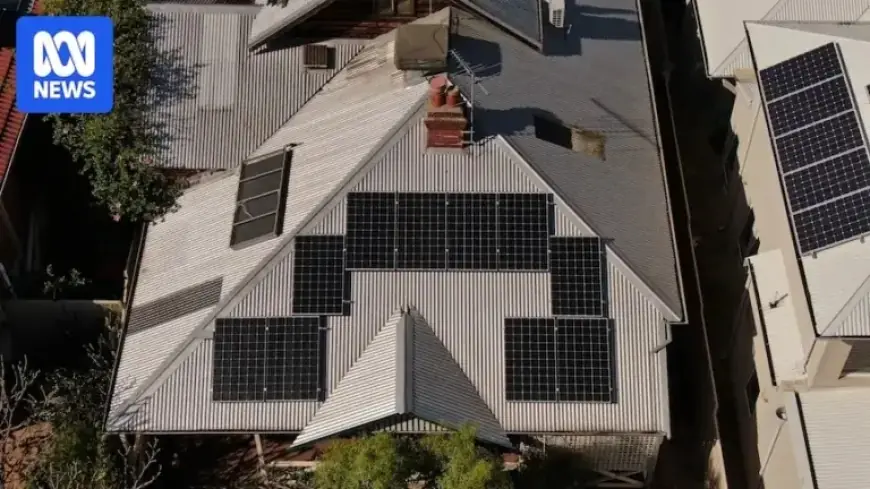
Australia is on the verge of a significant shift in solar panel management as the need for an effective recycling solution intensifies. The volume of solar panels expected to be discarded is projected to increase 18-fold by 2030. As a result, a national solar panel recycling scheme has been proposed to tackle this growing waste issue.
National Solar Panel Recycling Scheme Faces Urgent Threat
In January, two federal ministers, Treasurer Jim Chalmers and Environment Minister Murray Watt, announced a $24 million pilot recycling initiative at a Queensland facility. This program aims to address the rising challenges posed by solar panel waste.
Challenges of Solar Panel Waste Management
Industry experts stress the urgency of the situation. However, logistical challenges hinder progress toward a sustainable recycling program. Robyn Cowie from the Smart Energy Council pointed out that the expense of transporting discarded panels is discouraging.
- Shipping costs outweigh the materials’ value in many cases.
- Global recycling company TerraCycle supports solar panel recycling but notes it’s currently unprofitable.
- Recycling options may be cheaper than disposal in certain areas.
A government spokesperson indicated that this pilot program aims to collect data regarding logistical issues to formulate a long-term strategy. This initiative will ultimately assess both the collection and transportation processes of solar panel recycling.
Stewardship Proposal for Solar Panel Waste
At present, businesses that import solar panels have no disposal responsibilities. Rick Ralph, former CEO of the Australian Resources Recovery Council, highlighted the need for shared accountability among manufacturers, importers, and retailers.
A potential solution lies in establishing a stewardship program, similar to container deposit schemes. This would involve a slight price increase for solar panel purchasers to ensure responsible recycling.
Financial Viability Concerns
Financial constraints are a common theme in recycling initiatives. The recent collapse of the RedCycle recycling scheme underscored the difficulties of funding such programs. Tom Szaky, CEO of TerraCycle, indicated that the main issue is not the end market for recycled materials but the inability of the market to absorb the recycling costs.
- Only South Australia, Victoria, and the ACT currently prohibit solar panel landfill disposal.
- Hazardous materials found in solar panels, such as lead and cadmium, pose significant management risks.
As Australia embarks on this recycling initiative, the focus remains on ensuring that solar power’s environmental benefits are preserved by establishing a robust management system. While the proposed program is a step in the right direction, it will require careful planning and investment to become sustainable in the long run.