

























Gary Anderson Analyzes 2026 Aston Martin F1 Car Design

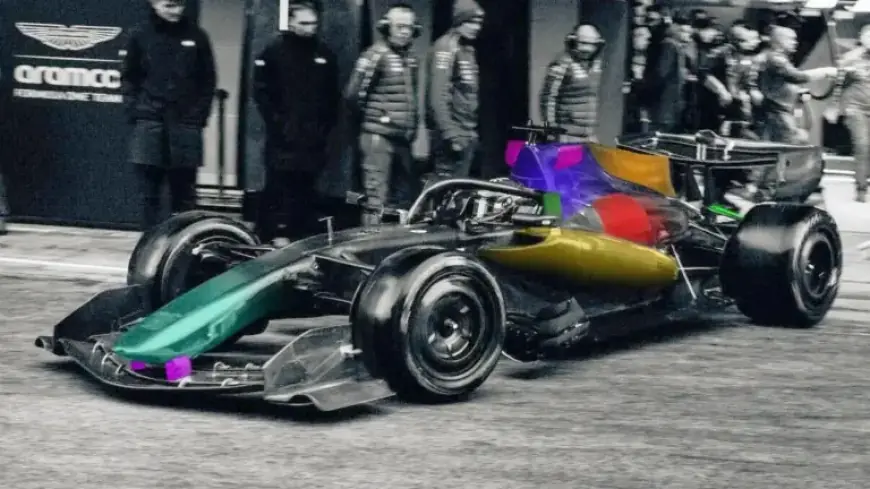
Aston Martin’s AMR26 made its debut on the Barcelona circuit during pre-season testing. The initial outing, however, faced difficulties as driver Lance Stroll completed only a few laps before halting due to unspecified issues. This testing phase is crucial for teams to identify and resolve potential problems ahead of the season opener in Melbourne.
Gary Anderson Analyzes the 2026 Aston Martin F1 Car Design
Noteworthy is that this marks the first Aston Martin F1 design from Adrian Newey, who previously spent two decades at Red Bull Racing. Observers noted the car’s striking aesthetics in adherence to the new regulatory framework.
Nose and Front Wing Design
The AMR26’s nose design features innovative attachment points for the front wing. The hangers supporting the second element of the wing allow for a shorter nose structure, optimizing airflow and structural integrity.
- The nose mounts are designed to handle vertical loads efficiently.
- The arrangement of the front wing elements focuses on reducing torque effects.
While the front wing endplates are straightforward, they incorporate a broad outer tunnel for enhanced downforce management, addressing past issues like porpoising observed in previous seasons.
Front Suspension Configuration
The front suspension uses a double-wishbone setup, showcasing a high-mounted arrangement under current chassis regulations. The configuration is designed to enhance ride height dynamics as the vehicle accelerates or brakes.
- Anti-dive features minimize changes in ride height during braking.
- Overall suspension layout improves steering feedback, particularly in slower corners.
Aerodynamic Shapes and Sidepod Design
Moving towards the car’s midsection, the sidepods are crafted with a reduction in cross-section, aligning closely with airflow dynamics. The reintroduced ‘duckbill’ inlet style assists in reducing drag and optimizing cooling.
Innovations in Rear Design
The AMR26’s engine cover boasts a prominent cooling outlet that ensures efficient heat dissipation, positioned strategically to mix airflow effectively before reaching the rear wing. This design aims to maintain optimal aerodynamic performance without compromising cooling needs.
Rear Suspension Insights
The rear suspension features a top wishbone setup that also enhances anti-lift characteristics. By positioning the inboard mounts strategically higher, this system contributes significantly to the vehicle’s structural integrity.
Conclusion
While the Aston Martin AMR26 introduces fresh ideas, its effectiveness in competition will depend on how these innovations translate on race day. Adrian Newey’s leadership will play a pivotal role in guiding the design and direction of this new car in the upcoming season.