

























Brent Surpasses $70, Challenging StanChart’s Bearish Oil Glut Outlook

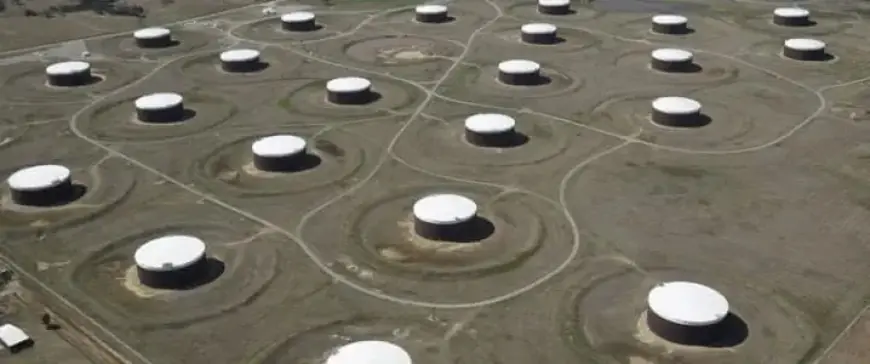
Oil prices have reached significant levels recently, with Brent crude surpassing $70 per barrel for the first time since July 2025. At midday on Wednesday, Brent was trading at $70.92, marking a 3.63% increase. Meanwhile, WTI crude also saw gains, rising 3.72% to $65.49 per barrel.
Geopolitical Influence on Oil Prices
This surge is attributed partly to tensions involving Iran. Reports suggest that U.S. President Donald Trump is considering targeted strikes on Iranian military sites as part of an agenda for regime change. The ongoing unrest in Iran has led to significant casualties, with various reports indicating a death toll of up to 5,937.
Iranian Economic Crisis and Protests
The protests in Iran began on December 28, 2025, driven by the rapid devaluation of the Iranian rial. The currency’s value has plummeted, trading at approximately 1.4 to 1.5 million rials per U.S. dollar in January 2026, down from 25,000 rials per dollar a decade earlier.
Market Outlook and Demand Trends
While there have been signs of increased demand, analysts at Standard Chartered caution against a full recovery. The bearish oversupply trends observed in 2025 are fading, with updated demand expectations for 2026. The International Energy Agency (IEA) has revised its demand growth forecast upward, now projecting an increase of around 930,000 barrels per day, influenced by a recovery in petrochemical feeds.
Challenges for U.S. Shale Production
Despite these adjustments, the outlook for oil growth remains modest. U.S. shale production is already showing signs of slowing due to low prices. Notably, Continental Resources has halted drilling in North Dakota’s Bakken shale for the first time in decades. Founder Harold Hamm indicated that the current market conditions have made continued drilling unfeasible.
Natural Gas Market Dynamics
The U.S. natural gas market has recently experienced a notable rally fueled by an Arctic storm that created supply challenges. Gas futures surged dramatically due to increased demand for heating and disruptions in supply from the harsh conditions. On January 26, natural gas prices for February delivery peaked at $7.439 per million British thermal units (mmBtu), the highest since November 2022.
Future Supply Projections for LNG
Looking ahead, the IEA estimates that global liquefied natural gas (LNG) supplies will grow by 40 billion cubic meters in 2026, a significant year-over-year increase. North America is expected to lead this growth, with U.S. LNG export capacity expanding significantly. By 2029, over 13 billion cubic feet per day of new capacity is anticipated to come online. Key projects driving this growth include:
- Plaquemines LNG
- Corsp Christi Stage 3
- Golden Pass LNG
Last year, the United States accounted for the majority of global LNG investments, cementing its leading position in the market.