























Toronto Hit With Cold Warning as Arctic Air Drives Wind Chills to Minus 35

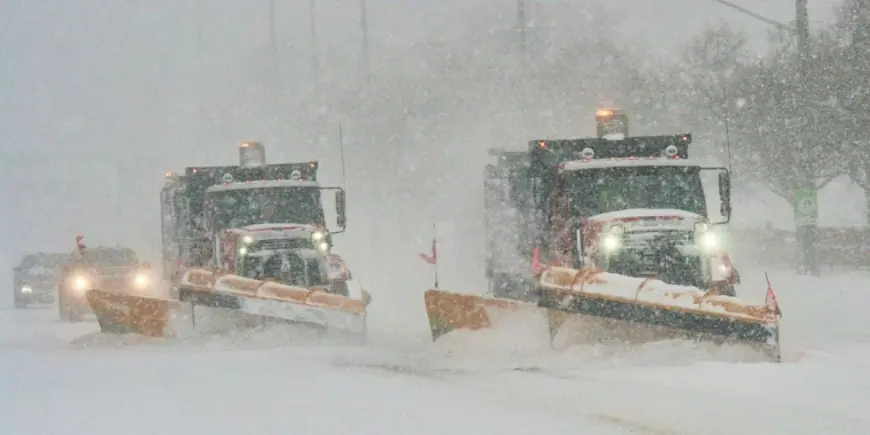
The phrase “environment canada issued a cold warning for toronto due to arctic air” captured the situation facing the city late Thursday, January 29, 2026, as a blast of polar air settled over the region and pushed overnight wind chills into dangerous territory. Environment Canada issued a Yellow Warning for cold conditions in the City of Toronto, citing wind chills of minus 30 to minus 35 overnight into early Friday.
The warning arrives as many residents are still digging out from recent winter weather, with snowbanks and narrowed sidewalks making basic errands harder even before the temperature drop. Further specifics were not immediately available on how long the cold will linger beyond the short-term warning window, but the forecast points to several more days of below-normal temperatures.
How cold will it get and when
Environment Canada’s alert focused on a tight window: Thursday night through early Friday morning, January 30, 2026. The agency flagged wind chills in the minus 30 to minus 35 range, a level at which exposed skin can be vulnerable to frostbite in minutes if someone stays outside too long without protection.
Actual air temperatures are expected to be bitterly cold as well, with overnight lows dropping deep into the negatives Celsius. By Friday daytime, temperatures are projected to remain well below freezing even as wind chills ease compared with the overnight peak.
Some specifics have not been publicly clarified about neighborhood-by-neighborhood variation, since wind and exposure can make conditions feel noticeably different between lakeshore areas, open corridors, and dense downtown streets.
Why Arctic air feels worse than the thermometer
A cold warning often hinges on wind chill, not just the raw temperature. Wind chill is a measure of how quickly your body loses heat when wind strips away the thin layer of warmth near your skin. In an Arctic air mass, the baseline temperature is already low; add wind, and heat loss accelerates, making it feel substantially colder than the thermometer reading.
This is why a night that is “just” extremely cold can become hazardous when breezes pick up, especially for anyone outdoors for extended periods. It also explains why frostbite risk can spike even if the sky is clear and the air is dry: the danger is about exposure time and the body’s ability to maintain safe skin temperature, not whether it’s snowing.
What residents should do tonight
The most immediate safety move is to reduce time outside during the overnight period and early Friday morning. If you must be outdoors, cover exposed skin, wear insulated gloves and a hat, and use a face covering that shields cheeks and nose. The highest-risk scenarios are long waits at transit stops, extended walks on icy sidewalks, and outdoor work that prevents regular warming breaks.
Two groups often face the brunt of nights like this: people without reliable indoor shelter and workers whose jobs require time outdoors, including construction crews, delivery workers, and municipal staff. Families with young children and older adults also tend to be more vulnerable to rapid heat loss, and caregivers may need to adjust routines like school drop-offs and morning commutes.
Pet owners should treat the overnight window as dangerous for animals as well, limiting outdoor time and watching for signs of cold stress. In practical terms, this is also a night to think about the home side of winter risk: keep indoor heat consistent, check that vents are clear, and be mindful of frozen pipes in colder corners of older buildings.
Cold snap outlook into early February
After the warning period ends early Friday, temperatures are still expected to stay very cold into Saturday, January 31, 2026, before a gradual moderation begins on Sunday, February 1. Even with slightly less extreme wind chills, prolonged cold can still carry risks: ice can persist on sidewalks, car batteries can struggle, and minor problems like a damp boot or wet glove can become a serious comfort and safety issue quickly.
The broader point is that cold warnings are about the margin of error shrinking. A short walk becomes riskier, a missed bus becomes more consequential, and a simple chore outdoors can turn into a health concern if someone is underdressed or stuck outside longer than planned.
The next verifiable milestone is the scheduled alert update cycle on Friday morning, January 30, 2026, when Environment Canada typically refreshes warnings as conditions evolve. After that, the next practical checkpoint is the weekend forecast, as residents watch whether the cold loosens its grip by Sunday or lingers into the start of the new week.