
























Andrew Forrest’s Green Ventures Cost Taxpayers $80 Million

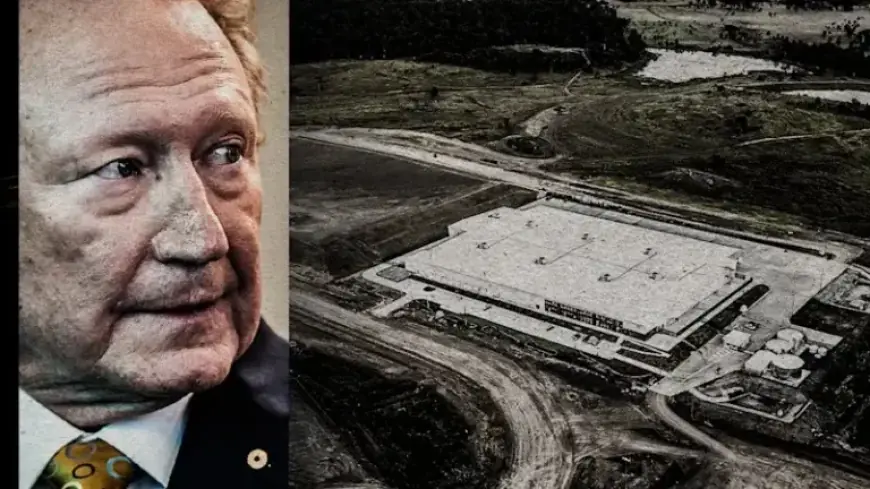
Recent developments have unveiled a significant financial burden placed on Australian taxpayers due to Andrew Forrest’s green hydrogen initiatives. The controversial Gladstone hydrogen factory project, led by Forrest’s company Fortescue Metals Group, cost taxpayers approximately $80 million. This project has drawn sharp criticism, particularly after its abrupt abandonment merely months after garnering state and federal support.
Financial Implications of the Gladstone Hydrogen Project
Fortescue was originally allocated $100 million from both state and federal governments for its ambitious hydrogen project. However, only $20 million has been repaid thus far. The Queensland government is actively pursuing Fortescue for an outstanding $66 million related to this venture, which has been branded a “vanity project” by local authorities.
Timeline of Events
- April 2024: A joint venture between Fortescue and Morocco’s OCP Group is approved for major projects.
- 2023: The Australian government pledges $137 million to support the hydrogen plant.
- May 2025: The Gladstone plant is mothballed after just seven weeks of testing.
During this limited operational phase, taxpayer funding was used at a staggering rate of $14 million per week. Andrew Forrest had projected that this facility would serve as a launching point for a new export industry focused on emissions-free hydrogen, aiming to revolutionize energy consumption.
Government Reactions and Project Viability
The Australian government, represented by Industry Minister Tim Ayres, has asserted intentions to reclaim public funds associated with the project. Ayres pointed out that the terms of government grants require companies to utilize the project assets as intended during a specified duration.
Despite a $5 billion profit reported by Fortescue for the last financial year, Deputy Premier Jarrod Bleijie has vowed to hold the company accountable for its financial liabilities to taxpayers. Bleijie criticized the previous administration’s decision to fund what he describes as ineffective projects.
Challenges Facing Green Hydrogen Technology
Green hydrogen production continues to face significant hurdles. High production costs and insufficient infrastructure are barriers that hinder its viability as a mainstream energy source. While countries worldwide are investing heavily in this technology, the market is still in its infancy.
Experts argue that the environmental benefits of hydrogen come with high financial risks, requiring ongoing public funding. Alison Reeve, from the Grattan Institute, emphasizes the reality that private sector investments in new technology often rely heavily on taxpayer support during their developmental phases.
Future Prospects and Industry Outlook
Despite facing criticism and operational setbacks, Forrest remains optimistic about green hydrogen’s future. Fortescue claims that it will continue to pursue projects aimed at transitioning towards sustainable energy sources. Recent communications reveal a commitment to maintaining a positive relationship with the Queensland government, despite the tensions surrounding the Gladstone project.
As the global market for clean energy evolves, the focus remains on overcoming the economic and logistical challenges that continue to plague the green hydrogen industry.