























2026 Budget Expands with Night-Time Vouchers, Tax Relief, MPF Housing Proposals

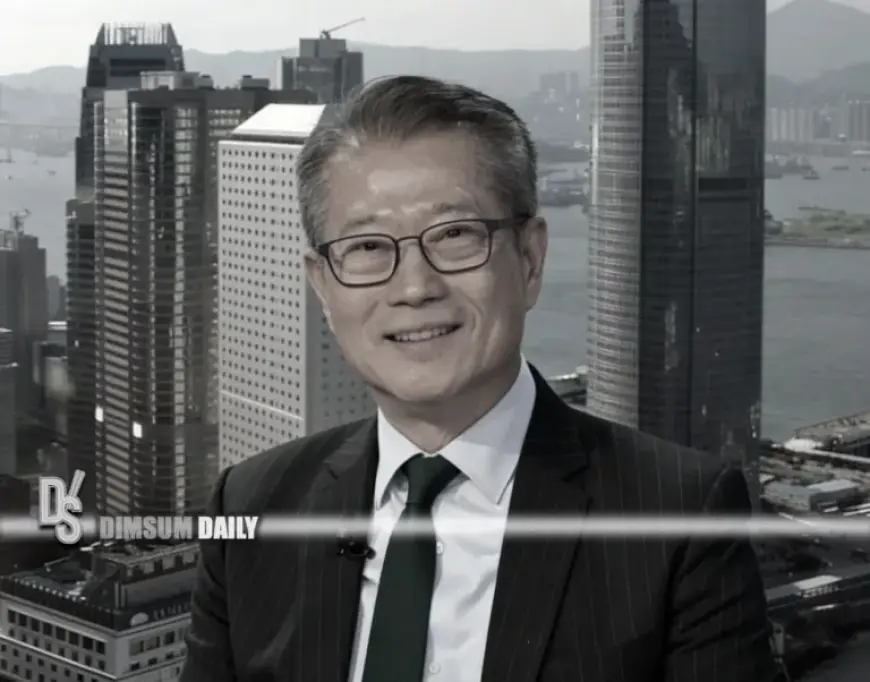
As Hong Kong prepares for its 2026 Budget announcement on February 25, the government is considering multiple proposals aimed at stimulating economic growth. Paul Chan Mo-po, the Financial Secretary, has indicated that stronger stamp duty receipts may help the operating account return to surplus. However, current capital expenditure is expected to keep the overall fiscal situation in deficit.
Key Proposals for the 2026 Budget
Public consultations are now underway, with a focus on garnering innovative ideas across various sectors, including tax relief, housing, capital markets, and elderly support. Here are some noteworthy proposals:
- Tax Relief Initiatives:
- PWC Hong Kong suggests a broad-based allowance increase of 10%, while keeping a 100% profits tax and salaries tax reduction capped at HK$1,500.
- An increase in the basic deduction cap for residential rent and home-loan interest, from HK$100,000 to HK$160,000, is being proposed.
- The ACCA Hong Kong branch advocates lifting the one-off salaries tax rebate cap to HK$10,000.
- Night-Time Vouchers for Economic Boost:
- Legislative Councillor Johnny Ng has proposed “night-time e-consumption vouchers,” aimed at stimulating evening trade in dining and entertainment.
- Elderly Support Measures:
- The government will assess free public transport rides for seniors aged 70 and above.
- Suggestions include transforming Elderly Health Care Vouchers into “silver vouchers” for enhancing wellbeing.
- Housing and Retirement Proposals:
- The Hong Kong Federation of Trade Unions is advocating for the relaxation of MPF savings use for home purchases and promoting reverse mortgages.
Fiscal Challenges and Considerations
Despite the potential for improved revenues, caution remains as public spending pressures persist. The ongoing deficit, excluding bond issuance, is projected at about HK$124.7 billion. Investments in infrastructure are expected to rise, requiring continued bond issuance to meet project cash-flow needs.
Chan has reiterated the importance of maintaining current levels of stock stamp duty, as this is a significant revenue stream. He is also open to enhancing regulations on Real Estate Investment Trusts (REITs) and Exchange-Traded Funds (ETFs).
Looking Ahead
As Hong Kong approaches the 2026 Budget announcement, stakeholders are pushing for practicality and sustainability in fiscal measures. Discussions around public sector pay adjustments, compliance with tax regulations, and innovative skill enhancements through AI training deductions are also gaining traction.
Overall, the government aims to balance economic growth with responsible fiscal management, addressing current public needs while planning for future challenges.