











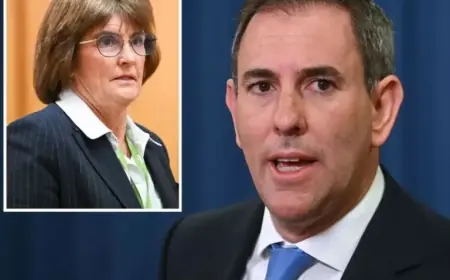













Federal Judge Warns Minneapolis ICE Leader with Contempt Charges


The recent legal developments surrounding U.S. Immigration and Customs Enforcement (ICE) in Minnesota have raised significant concerns about compliance with court orders. Chief Judge Patrick Schiltz of Minnesota’s federal district court has issued a notable order requiring Todd Lyons, the Acting ICE Director, to appear in court to address potential contempt charges.
Contempt Charges Against ICE Director
In the case of Juan T.R. v. Noem, Judge Schiltz ordered ICE to provide a bond hearing for Juan, an immigrant who has been detained despite not being an applicant for admission to the country. Juan arrived in the U.S. around 1999, rendering the legal rationale used for his detention inapplicable.
- Original Order Date: January 14
- Compliance Deadline: Seven days after the original order
- Failure to Comply: By January 26, ICE had not provided the required bond hearing.
Judge Schiltz expressed frustration over ICE’s repeated failures to comply with numerous court orders. He emphasized that this situation is not isolated, pointing out that the Trump administration has consistently ignored legal mandates regarding detainee rights.
Implications of Incompetence
Judge Schiltz’s statement highlighted systemic issues within the Trump administration. The decision to deploy agents to Minnesota without adequate resources to address the resulting legal challenges has led to a backlog of habeas petitions and lawsuits.
Furthermore, the legal environment in Minnesota is complicated by the response from other officials. Judge Katherine Menendez has also sought clarification from the Justice Department regarding a letter that suggested coercive tactics against the state of Minnesota. The federal government cannot use force to manipulate state policy, as this would breach the 10th Amendment of the U.S. Constitution.
Continuing Legal Challenges
As the legal battles continue, Judge Schiltz and his colleagues remain steadfast in holding officials accountable for their actions. The circumstances surrounding Juan T.R.’s case may be just the beginning of numerous legal challenges emerging from the ongoing ICE operations in Minnesota.
The outcome of these proceedings will likely have broader implications for federal immigration policies and the enforcement of detainee rights in the United States. Observers are keen on how the courts will navigate these complex issues moving forward.