

























India-EU FTA: Impact on Indian Kitchens Explored

The long-awaited India-European Union (EU) Free Trade Agreement (FTA) has moved closer to realization, with implementation expected after the European Parliament’s ratification next year. Signed in New Delhi, this agreement aims to reshape trade relations, particularly in the food sector.
Anticipated Impact of the India-EU FTA on Indian Kitchens
The FTA is set to have significant implications for food products in India. While European pasta and sausages may not flood the market immediately, improvements are anticipated from the fiscal year 2027-28. Despite only accounting for 0.6% of the EU’s agrifood exports, the EU’s trade ties with India are poised to strengthen as tariffs on various goods are set to be reduced or eliminated.
Tariff Reductions Benefiting European Producers
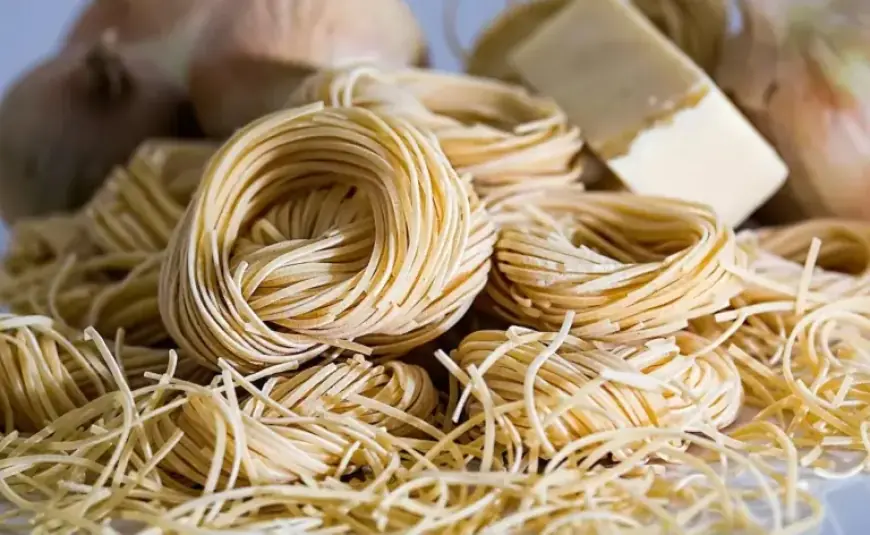
- Processed food items like pasta, chocolates, and pet food will see import duties cut from 50% to 0%.
- Fruit juices and non-alcoholic beers will experience a tariff reduction from 55% to 0%.
- Olive oil and margarine tariffs will drop from 45% to 0%.
- Meat products, including sausages, will see tariffs decrease from 110% to 50%.
- Imports of kiwis and pears will have tariffs lowered from 30% to 10%, albeit under quota restrictions.
Such concessions will benefit European producers, increasing their access to the Indian market. However, the local food industry has also witnessed remarkable growth in recent years.
Domestic Competition and Market Dynamics
Indian brands have flourished, especially during the pandemic, powered by social media visibility and quick delivery services. Brands like Suchali’s (breads) and Weikfield (pasta) have become household staples as part of the ‘Vocal for Local’ initiative. These products have established a strong foothold in the middle-class consumer mindset.
Experts suggest that while the FTA will enhance the availability of European foods, it might not heavily disrupt domestic market shares. Increased competition, however, raises concerns for importers, especially with the rupee’s declining value against the euro.
The Currency Factor
The drop in the rupee’s value can offset tariff benefits, potentially making European imports less accessible. According to industry insiders, while upscale restaurants will likely embrace these products, local preferences may remain strong.
Future Prospects and Challenges
Despite optimism surrounding the FTA, it faces procedural challenges. The process will take time, requiring European Parliament approval before any changes impact consumers. Similar agreements, like the EU-Mercosur deal, showcase the complexities that can delay trade agreements.
- Concerns exist over agricultural imports affecting existing markets in Europe.
- Experts predict less risk for the India-EU FTA since Indian agricultural exports are not substantial threats to European farmers.
Trade policy experts highlight the importance of balancing market access while protecting sensitive sectors. The agreement remains focused on agricultural commodities, with a particular emphasis on sustainability and legal enforcement.
Conclusion
The India-EU FTA represents the beginning of a promising, yet complicated, trade relationship that could redefine culinary choices in India. As ratification approaches, stakeholders continue to evaluate its long-term implications on domestic producers and consumer preferences.