

























Trump Remarks Tank Dollar; Euro, Yen, Sterling Strengthen

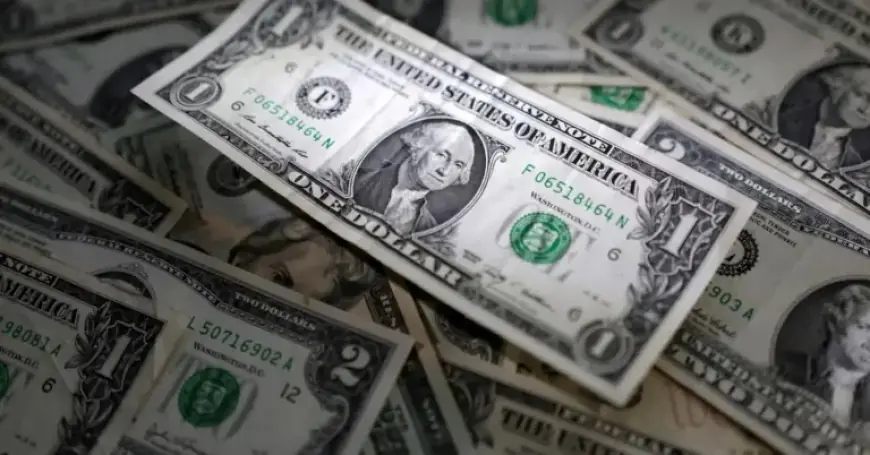
The U.S. dollar has reached a four-year low, reflecting a significant decline due to recent comments by former President Donald Trump. The remarks, which were perceived as dismissive of the dollar’s weakness, triggered a wave of selling, consequently boosting other currencies, such as the euro, yen, and sterling.
Trump Remarks Tank Dollar
On January 28, 2023, the dollar index—a measure of the U.S. currency against six major rivals—stood at 95.964, following a drop of over 1% and a low of 95.566 in the preceding session. Trump’s assertion that the dollar was “great” when questioned about its decline led traders to aggressively offload the greenback. Analysts noted this situation indicates a “crisis of confidence” in the currency, emphasizing how Trump’s unpredictable trade policies may prolong its weakness.
Strengthening Currencies
As a result of the dollar’s decline:
- The euro surged past the $1.2 mark, reaching $1.2015—its highest level since 2021.
- The British sterling increased to $1.3823, also at levels not seen since 2021.
- The Japanese yen appreciated to 152.60 per U.S. dollar, bolstered by speculations of coordinated rate checks by U.S. and Japanese authorities.
Additionally, the Australian dollar rose to $0.70225, its highest since February 2023, fueled by stronger consumer price inflation data.
Focus on Federal Reserve Policy
Traders are now closely monitoring upcoming decisions from the Federal Reserve. There are expectations that the Fed will maintain its current policy amid concerns over its independence and rising public expenditures. Overall, the financial environment remains tentative as investors gauge the implications of Trump’s ongoing influence on economic policies.
Japan’s upcoming elections, scheduled for February 8, 2023, are also adding complexity to fiscal discussions. Authorities have indicated close cooperation with U.S. counterparts regarding foreign exchange, though skepticism persists about potential impacts stemming from actual currency interventions.
In summary, the current market landscape reflects significant shifts, with the dollar’s turmoil prompting action and speculation across various currencies, bolstered by broader economic fundamentals.