

























Investors Reevaluate Trump Policies, Geopolitical Risks Amid U.S. Dollar Pressure

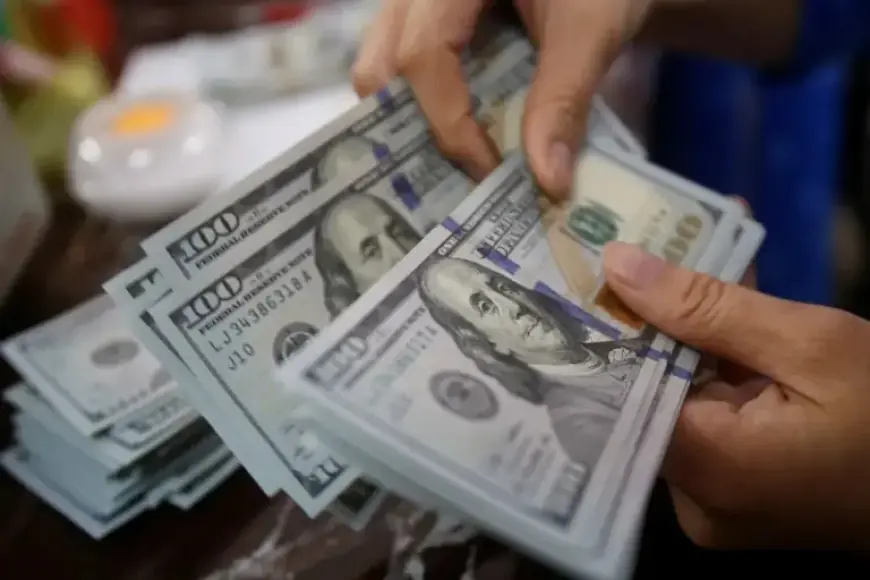
The U.S. dollar faces renewed pressure in early 2026 as market conditions prompt a reassessment of its stability. Recent developments in Washington, including policies that favor a weaker dollar, are at the forefront of this shift. Analysts warn that the current economic climate could mark the largest three-day decline for the dollar against a range of major currencies since last April.
Factors Influencing Dollar Weakness
The dollar’s decline can be traced to several key factors:
- President Trump’s controversial “Liberation Day” tariffs prompted severe sell-offs in U.S. assets.
- His administration’s unpredictable trade policies have contributed to a depreciation of approximately 10% in the dollar during his first year.
- The dollar is now lagging behind other currencies like the euro, sterling, and Swiss franc.
Market Analysis
According to Seema Shah, Chief Global Strategist at Principal Asset Management, which oversees assets worth over $600 billion, multiple elements are converging. “While this isn’t a ‘Sell America’ trend, the fundamentals are aligning quicker than anticipated,” she stated.
Political Tensions and Economic Concerns
In recent weeks, President Trump has threatened bold actions, including:
- Claiming control over Greenland.
- Imposing tariffs on European allies.
- Issuing criminal indictments against Federal Reserve Chair Jerome Powell.
- Directing operations against the Venezuelan president.
- Threatening Canada with a trade embargo.
While some threats have been retracted, the market remains tense. Volatility is high, and the bond market faces uncertainty, particularly due to a recent sell-off in Japanese government debt.
Impact on Interest Rates
The Federal Reserve is expected to lower interest rates at least twice this year. This shift contrasts sharply with other central banks, which may consider raising rates. Such dynamics diminish the dollar’s appeal to investors seeking better returns elsewhere.
Powell’s tenure as Fed Chair ends in May, and speculation around his replacement has intensified. Online betting markets now assign a 50% likelihood to Rick Rieder from BlackRock, an advocate for lower rates, succeeding Powell, up from under 10% just a week ago.
Global Market Responses
Global equity markets displayed strong performance last year, primarily driven by optimism surrounding artificial intelligence. However, the S&P 500’s growth since Trump’s inauguration has been relatively modest, rising only 15% compared to significant surges in international markets:
- Seoul’s Kospi index: 95% increase
- Tokyo’s Nikkei: 40% increase
- Shanghai’s main index: nearly 30% increase
Economists like Chris Scicluna from Daiwa Capital Markets note that asset managers are keen to diversify away from U.S. markets, feeling that they had previously allocated too much capital domestically. With tariffs being a primary focus of current U.S. policy, concerns over trade deficits, particularly with Asian nations, are elevating market anxiety.
Overall Market Sentiment
Despite a recent temporary bounce in the yen due to potential joint U.S.-Japan currency interventions, it has depreciated by around 13% against the dollar over the past year. Currently, the dollar has lost approximately 5.3% on a trade-weighted basis over the past year, according to the Bank for International Settlements.
As the U.S. implements increasingly antagonistic trade policies, investors are growing wary of their exposure to the dollar amid these geopolitical risks. The current market sentiment reflects a need for caution as global financial landscapes continue to evolve.