Rafael Pineda Dies at 88, Remembered as a Defining Voice of New York’s Spanish-Language News

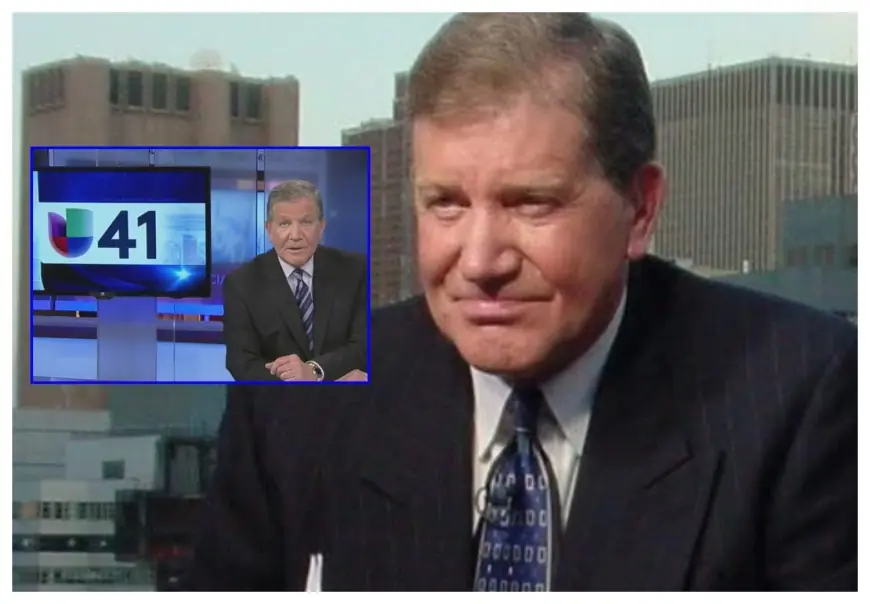
Rafael Pineda, a longtime New York television news anchor whose calm authority became a nightly fixture for generations of Spanish-speaking viewers, has died at 88. He died in Florida on Sunday, January 25, 2026, after a career that helped shape how Latino communities in the New York region received—and trusted—local news.
His death has prompted a wave of tributes across the broader Latino media world, with many reflecting on a legacy built less on celebrity and more on consistency: showing up every night, delivering the facts clearly, and treating the audience as neighbors rather than numbers.
Rafael Pineda and the Rise of Spanish-Language Local News in New York
Pineda’s career closely followed the growth of Spanish-language broadcasting from a limited offering into a daily civic need. He began working in broadcast journalism in the late 1960s and became a central on-air presence in the early 1970s, as Spanish-speaking communities in the region expanded and demanded fuller representation in local coverage.
For many households, Rafael Pineda wasn’t simply “the anchor.” He was the familiar voice who made City Hall decisions, school closings, subway disruptions, public safety alerts, and major national moments feel understandable and relevant—night after night, in the language spoken at home.
That role carried extra weight in immigrant communities, where reliable local information can be the difference between feeling included in a city’s life and feeling shut out of it. Pineda’s steady delivery helped bridge that gap.
A Career Built on Longevity, Trust, and Familiar Ritual
Rafael Pineda anchored local Spanish-language news in New York from 1972 until his retirement in 2013—an unusually long run in a market known for turnover and intense competition. By the time he stepped away, he had become one of the longest-serving anchors associated with New York television.
Colleagues and viewers alike often described him in the same terms: dependable, prepared, and calm under pressure. That steadiness mattered during breaking-news moments, but it mattered just as much on ordinary days—when local news is less about spectacle and more about service.
Even after retirement, his name remained a touchstone for viewers who had built their routines around his broadcasts. In an era when news consumption has become fragmented, that kind of long-term audience relationship is increasingly rare.
Key Milestones in Rafael Pineda’s Public Life
-
December 20, 1937: Born in Cuba
-
1968: Began his broadcast career
-
1972–2013: Anchored New York local Spanish-language news (retired at 77)
-
2000: Received a “Silver Circle” honor recognizing long-term contributions to television
-
2005: Received a public honor in Union City, New Jersey, with a Walk of Fame star
-
January 25, 2026: Died in Florida at 88
What’s Known About His Death, and What Has Not Been Shared
Public details remain limited beyond the timing and location. His death has been placed on the night of January 25 in Florida, where he had been living. The cause of death has not been publicly confirmed, and information about funeral arrangements has not been widely shared.
That lack of detail has not slowed public mourning. Instead, it has focused attention on what is clear: Rafael Pineda’s influence was not a single headline or viral moment, but decades of trusted presence.
Why Rafael Pineda’s Legacy Matters Now
Local news today is faster, louder, and more scattered than the era Rafael Pineda helped define. Yet the fundamentals he represented—credibility, clarity, and community service—have become even more valuable in a time when misinformation spreads quickly and trust is harder to earn.
His legacy is also institutional. He helped normalize Spanish-language local news as a core civic necessity, not a side channel. For journalists who came after him, his career served as proof that Spanish-language coverage could be both culturally fluent and rigorously professional—without compromise.
What Happens Next: Tributes, Memorials, and Preserving a Community Story
In the days ahead, the most meaningful work may happen off camera: collecting archival clips, recording memories from colleagues, and preserving the community impact that doesn’t fit neatly into a résumé. If official memorial plans are announced, they may become a focal point for a broader reflection on Spanish-language journalism’s place in New York history.
For viewers who grew up with his voice in the background of dinner, homework, and family conversation, Rafael Pineda’s death can feel personal—like losing a familiar, dependable neighbor. And that, more than any title, may be the clearest measure of what he built.