






















Minnesota Reaches Crucial Turning Point

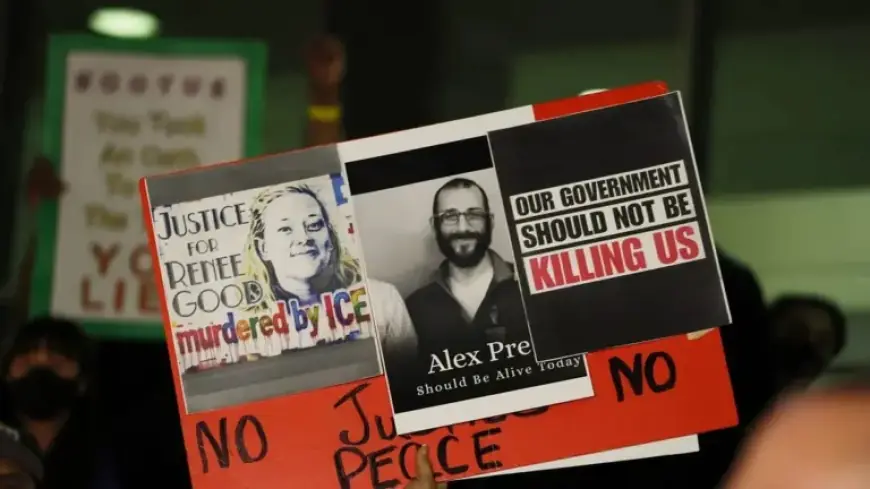
The political landscape in Minnesota has reached a crucial turning point, reflecting broader national tensions surrounding governance and civil rights. Recent high-profile incidents, including the deaths of Alex Pretti and Renee Good, have reignited debates over immigration enforcement and governmental conduct. These events highlight the challenges politicians face in balancing law enforcement with community safety.
Incidents Spark Controversy
The tragic deaths of Pretti and Good have shed light on contentious interactions between law enforcement and the activist community. Critics argue that the administration’s response has reflected a “recreational interesting view” of the protests, rather than legitimate civil disobedience or its consequences.
Public Response and Backlash
- High-ranking officials in Washington have faced criticism for labeling deceased individuals as terrorists.
- Fast-paced sequences of events have led some to question the integrity of official narratives.
In Minnesota, local policies are being scrutinized. The tension between state and federal immigration enforcement has intensified, suggesting that stricter local policies may not always align with community safety or cooperation.
Political Ramifications
The response from within the gubernatorial office indicates growing friction between state officials and the Trump administration. Governor Tim Walz has had to address not only public safety but also the broader implications of these policies on his political standing.
Internal Resignations
Several prosecutors from the U.S. Attorney’s Office in Minneapolis resigned recently. This aligned with a widespread dissatisfaction with orders perceived as unethical.
Immigration Enforcement Tactics
There is a growing debate on the tactics used by federal agencies related to immigration enforcement. The Trump administration’s approach has raised questions about the appropriateness of deploying resources in ways that escalate situations rather than resolve them.
- Recent enforcement actions in Minnesota appear to be more about political advantage than effective law enforcement.
- Critics argue that such actions can undermine the cooperation that is crucial for successful law enforcement.
Community Impact
The response from local communities has also been noteworthy. Protesters have shown skill in maintaining discipline and organization, drawing attention to their cause without resorting to violence. This raises questions about the effectiveness of protests in driving political change amid national unrest.
Conclusion: A Call for Reflection
As Minnesota reaches a critical point in its political landscape, the question remains: how will local and national leaders respond to these events? The balance between enforcing laws and respecting civil liberties will require careful consideration, especially as activists continue to push for accountability and reform.