




















Minnesota Mob Violence Justifies Invoking the Insurrection Act

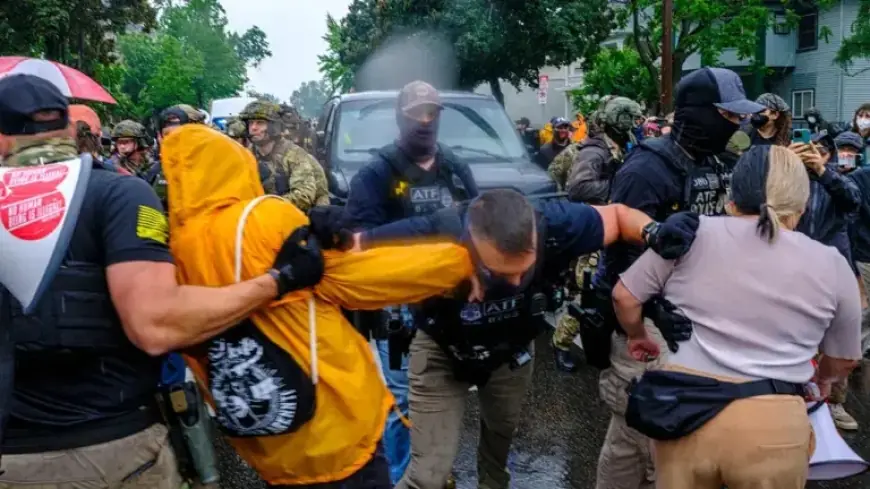
The ongoing violence in Minnesota has raised questions about whether it should be tolerated as a form of democracy or suppressed as insurrection. President Donald Trump has labeled the incidents as insurrection and threatened to invoke the Insurrection Act, which may give him the authority to deploy armed forces to restore order.
Understanding the Insurrection Act
The Insurrection Act allows the U.S. President to deploy military forces during instances of insurrection. Its origins date back to the 1792 Calling Forth Act, which empowered the President to call forth the militia to address domestic unrest. This legal power has historical precedence, including its use during the Whiskey Rebellion by President George Washington.
Historical Context
Key points regarding the Insurrection Act include:
- The Insurrection Act was enacted in 1807, providing a framework for presidential action in response to insurrections.
- Notable uses of this act include President Abraham Lincoln’s response during the Civil War and President George H.W. Bush’s actions during the Los Angeles riots.
Current Legal Provisions
The relevant sections of the Insurrection Act are Title 10, Sections 252 and 253. Section 252 permits the President to utilize state militias or armed forces when law enforcement is obstructed. Section 253 allows for action against insurrection and domestic violence, particularly when state authorities are ineffective.
Presidential Authority and Interpretation
Critics argue that the language of the law grants sweeping power to the President, who alone can determine when such measures are necessary. This raises concerns about the balance of power and the potential for misuse of authority.
Recent Events in Minnesota
The violent protests in Minnesota have been characterized not as peaceful demonstrations but as organized acts of violence. These confrontations have included attacks on law enforcement and counter-protesters, raising alarms about public safety.
Civil Disobedience vs. Insurrection
Contrary to historical examples of civil disobedience, the incidents in Minnesota do not align with the philosophies of figures like Henry Thoreau or Martin Luther King Jr. Instead, they appear to be orchestrated efforts funded by questionable sources. Critics contend that these actions are a direct challenge to the rule of law, demanding decisive governmental response.
Conclusion
As calls for intervention grow, state leaders must recognize the importance of law enforcement in maintaining order. Without adherence to federal laws, the integrity of the Union is at stake. Government officials have the responsibility to ensure that unrest does not compromise legal frameworks.