













Super Bowl 2026 is setting up a very different kind of week: rollover traffic, a cold-weather backstory, and a matchup still taking shape

The biggest shift heading into Super Bowl 2026 isn’t just the game itself—it’s the way the event now expands into a multi-day, high-security, high-traffic footprint that can reshape an entire region’s routine. With Santa Clara hosting at Levi’s Stadium, the practical consequences start well before kickoff: road restrictions, transit surges, hospitality sellouts, and a ticket market that behaves more like a major concert than a football game. Add a postseason defined by severe winter conditions back east, and the narrative is already split between two climates—one shaping who survives January, the other shaping how February is staged.
The stakes are clear; the opponent is not
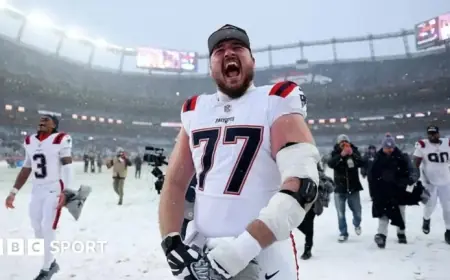
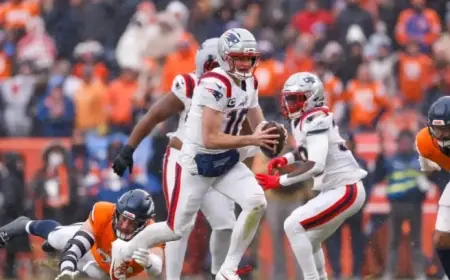
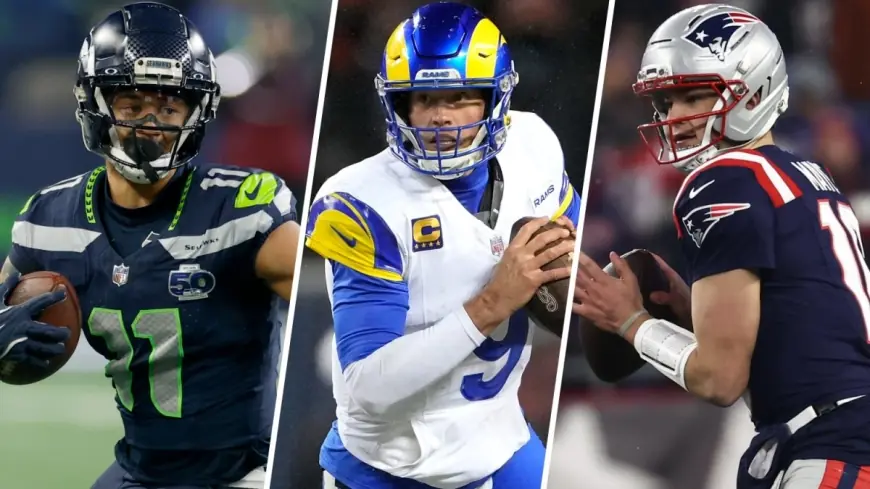
One team is already locked in. New England won the AFC title in a weather-driven, low-scoring game that leaned on defense and quarterback mobility rather than downfield fireworks. That matters because it frames the Super Bowl story as a test of toughness and adaptability—traits that travel well when the game slows down.
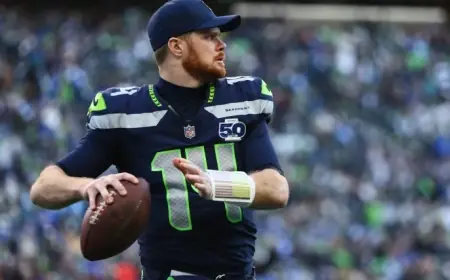
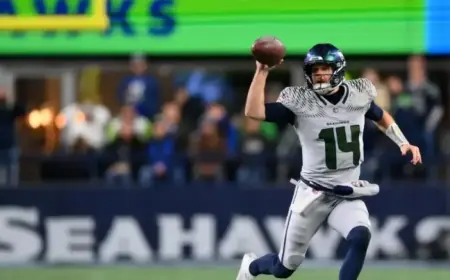
The other side of the bracket has been the unresolved piece: the NFC champion is still being decided between Seattle and the Rams, turning the “who’s in” question into a moving target right up to the final whistle. That uncertainty isn’t a footnote—it shapes everything from ticket demand to storylines.
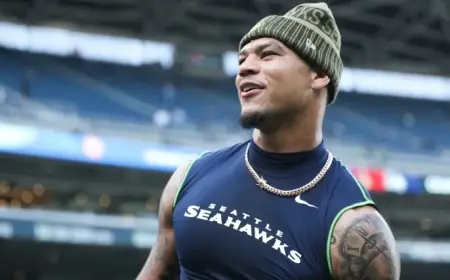
If Seattle advances, the league gets instant history and contrast: a franchise that’s been on the sport’s biggest stage in the modern era, with a fan base that still carries the memory of its peak and its heartbreak. If the Rams advance, the storyline tilts toward a star-driven offense and a franchise that has proven it can finish the job in recent seasons.
Santa Clara’s Super Bowl math: space, movement, and pricing pressure
The modern Super Bowl is as much a logistics problem as a sports event. The venue region gets saturated: hotels, rides, parking, and public transit all become part of the experience—and part of the frustration. For fans, the question quickly becomes less “Can I go?” and more “Can I get in and out without losing a day?”
Ticketing reflects that squeeze. The live market has already behaved like a scarcity event, with superbowl tickets and super bowl 2026 tickets appearing in tiers that can swing sharply based on matchup, seat location, and whether the purchase is a package or a single entry. Super Bowl ticket prices rarely drift downward once teams are set; they usually harden as the last inventory gets pulled into premium bundles.
The matchup echoes people keep searching for
A lot of the online curiosity isn’t only about this year’s finalists—it’s about old ghosts. The phrase patriots seahawks super bowl still resurfaces because patriots vs seahawks super bowl remains one of the defining modern-era games. That memory matters now because Seattle’s path would revive the emotional shorthand: New England’s legacy weight versus Seattle’s high-intensity identity.
Context for the side questions that keep popping up:
-
seahawks super bowl appearances: Seattle has been there multiple times in the past decade-plus window.
-
have the seahawks won a superbowl: Yes—Seattle has a championship.
-
have the rams won a superbowl: Yes—the Rams have also won a championship.
Those aren’t trivia questions this year; they shape how fans interpret pressure. A team that has “been there” gets judged differently than a team that’s chasing a first.
The hard details that won’t change before kickoff
Even with the matchup not finalized, the calendar and host site are fixed. Super Bowl 60 is set for early February in California, which shifts the fan experience: milder weather outside the stadium, but heavier demand for travel planning and last-mile transportation.
Entertainment is also part of the value proposition now. The halftime headliner and pregame performance slate have already been publicized, which adds a second audience segment: people who care about the show almost as much as the score.