

























Acura Discontinues Second-Best-Selling Model: Here’s Why

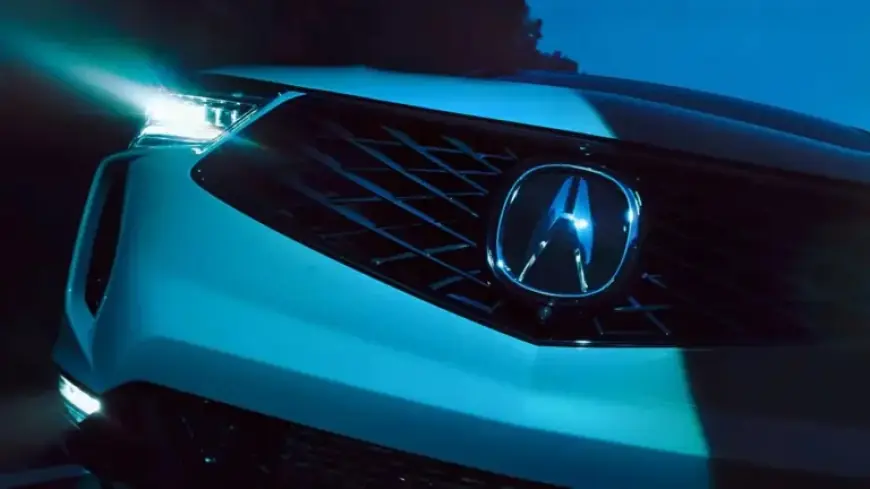
The automotive industry is facing numerous challenges, particularly for luxury manufacturers like Acura. In a surprising move, Acura has announced its decision to discontinue the RDX, its second-best-selling model, without a direct successor.
Acura’s Sales Struggles and Model Discontinuation
In 2025, Acura managed to sell approximately 133,000 vehicles, a notable contrast to its Japanese competitor, Lexus, which sold around 370,000 cars. This significant gap in sales is pushing Acura to reevaluate its offerings, including the RDX crossover.
RDX Overview
The Acura RDX has been a staple in the brand’s lineup since its introduction in 2006. It has undergone three generations, with the latest model debuting in 2019 and receiving a refresh in 2022. Despite its popularity, Acura is set to phase out the RDX during 2026.
- Sales in 2025: 31,627 units sold of the RDX.
- Sales in 2025 for MDX: 41,460 units.
- Current RDX engine: K20C4 four-cylinder engine.
Reasons for Discontinuation
The primary reason behind discontinuing the RDX is supply chain issues affecting parts production in Honda’s Ohio facilities. Finding alternatives would be complex and costly, leading Acura to prioritize resources for new developments.
Future of Acura’s Lineup
While the RDX is set to be discontinued, Acura is already working on a fourth-generation model, expected to introduce a hybrid powertrain before 2030. This new model aims to address current market trends towards efficiency.
Additionally, Acura is set to launch the RSX, an electric vehicle (EV) crossover, in 2026. This new entry could help bolster the brand’s offerings as consumers increasingly shift towards electric alternatives.
Challenges Ahead
Acura’s current luxury SUV lineup faces competition from brands like Lexus, especially in the hybrid segment. The existing MDX, still reliant on a conventional V6 engine, has been criticized for its fuel economy, averaging only 22 MPG compared to competitors offering hybrid models that achieve significantly higher efficiency.
As Acura positions itself for a changing market, the lack of hybrid and electric options could hinder its competitiveness. The forthcoming hybrid models may alleviate some of this gap, but the company must act quickly to regain market share.
Conclusion
The discontinuation of the Acura RDX highlights the challenges faced by luxury automakers in a rapidly changing automotive landscape. As the company prepares to launch new models aimed at enhancing efficiency and performance, it will be essential for Acura to respond to consumer demands in the years ahead.