
























Trump’s Davos Speech Compels, But Another Gains Greater Significance

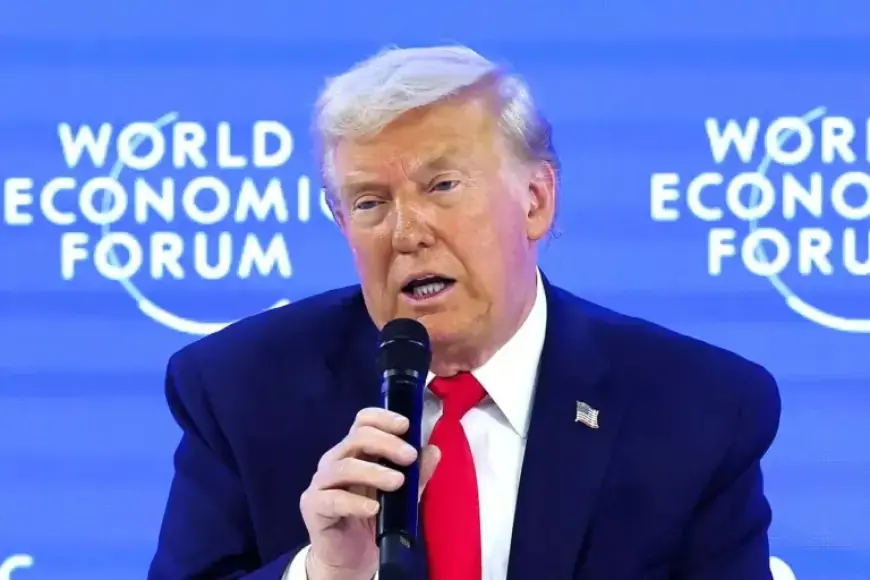
The recent speeches delivered at the World Economic Forum in Davos, Switzerland, have sparked considerable discussion on international relations. On one hand, Canadian Prime Minister Mark Carney emphasized the necessity for middle-sized countries to forge their own alliances, distancing themselves from the dominance of major powers like the United States. His address set an urgent tone for a shift in global dynamics, particularly in light of current geopolitical tensions.
Significance of Carney’s Address
Carney’s speech highlighted the erosion of the “rules-based international order,” a framework that has governed global politics since World War II. He argued that the benefits of this system, particularly during the Cold War, have diminished under current U.S. leadership. His call for “principled pragmatism” underscored the need for middle powers to unite and develop coalitions based on shared interests.
- Middle powers should collaborate on specific issues.
- Integration must evolve into a source of mutual benefit.
- Failure to act collectively may lead to subordination.
Trump’s Response and Unintentional Confirmation
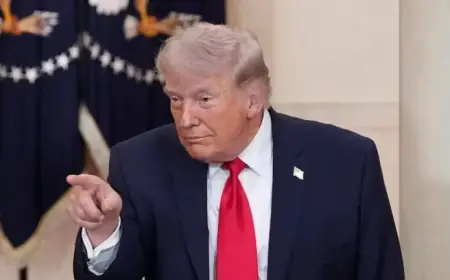
In a subsequent speech, U.S. President Donald Trump unintentionally validated Carney’s points. His one-hour address was marked by familiar rhetoric filled with inaccuracies and grievances. Notably, Trump claimed that the U.S. previously owned Greenland, reinforcing the urgency for middle countries to band together for security and stability.
- Trump’s speech received minimal applause and was perceived negatively by international leaders.
- The president reiterated a belief that he is unbound by international law, noting that only his morality would limit his actions.
Global Implications and Moving Forward
Carney’s warnings about global integration becoming a tool of coercion resonate with current events. He pointed out that the previous international agreements have led to vulnerabilities that great powers are now exploiting. The notion that middle powers must act or risk being marginalized is rapidly gaining traction.
Carney also acknowledged the practical challenges that come with increased defense spending for middle powers. NATO’s reliance on U.S. leadership complicates the establishment of an independent defense structure for Europe and other allies. Experts estimate that building a cohesive defense force could take at least a decade.
The Road Ahead
The speeches in Davos illustrate a pivotal moment in global politics. As traditional alliances face strain, middle countries like Canada need to unify and redefine their roles. Carney’s vision of a new world built from the divisions of the past could lead to a more equitable international system if successfully navigated.
In conclusion, the pressing need for middle powers to adapt and collaborate reflects a significant transformation in international relations. These developments make the discussions at Davos not only pertinent but essential for understanding the future of global governance.