

























India, EU Set to Finalize Trade Talks Tuesday, Paving Way for Tariff Reductions

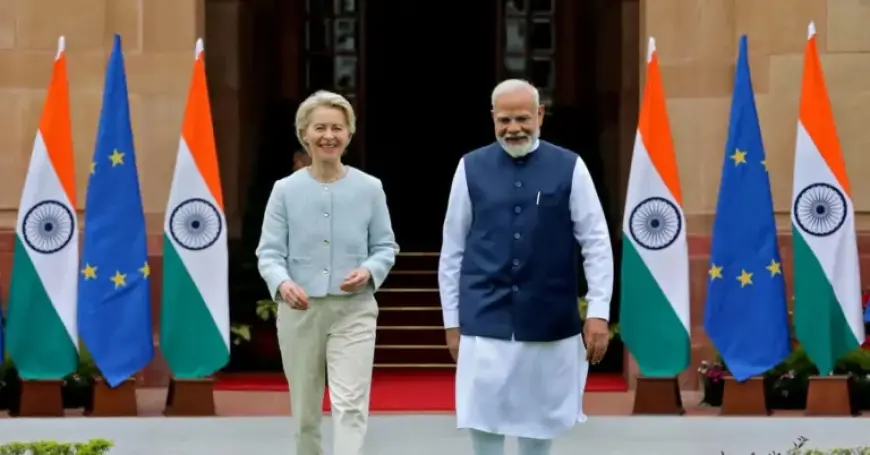
India and the European Union (EU) are reportedly set to finalize a significant free trade agreement (FTA) this Tuesday. This deal aims to drastically reduce tariffs on European automobiles and wine, while also enhancing market access for Indian textiles, electronics, and chemicals.
Details of the Upcoming Trade Agreement
An official announcement is anticipated to follow meetings between Indian Prime Minister Narendra Modi, European Council President Antonio Costa, and European Commission President Ursula von der Leyen. These discussions are part of a broader India-EU summit scheduled for January 25-28.
- The aim is to conclude the FTA negotiations during this summit.
- Both sides will then proceed towards signing the agreement after internal procedures.
Additional Agreements in the Pipeline
Besides the FTA, authorities expect to sign a security and defense pact, marking Europe’s third such deal in Asia, following agreements with South Korea and Japan. A mobility agreement will also be established to facilitate the movement of high-skilled workers and students between India and the EU.
Trade Implications for India
If finalized, the trade agreement may significantly boost Indian exports, particularly in textiles and jewelry. The negotiations were rejuvenated in 2022 after a previous nine-year hiatus. The current global trade environment, marked by rising tensions and increased tariffs from the United States, has added urgency to these discussions.
Bilateral trade between India and the EU reached approximately $136.5 billion in the last fiscal year, underscoring the importance of this partnership.
Tariff Reduction Challenges
Negotiations have encountered challenges, particularly regarding India’s reluctance to reduce tariffs on automobile imports. Lowering these taxes could benefit European car manufacturers like Volkswagen and Renault, making their vehicles more competitive in the Indian market.
Non-Tariff Barriers and Future Prospects
India is also concerned about non-tariff barriers, including the EU’s recent carbon levies on imports of goods like steel and aluminum. Additionally, the EU has suspended some preferential tariff treatments for Indian products, impacting exports valued at approximately $1.95 billion.
The potential FTA may counterbalance these challenges, allowing Indian exporters to better compete with countries like Bangladesh and Vietnam. With the EU importing nearly $125 billion worth of textiles annually, India’s share remains modest at 5-6% compared to China’s 30%. Enhancements in trade could provide significant benefits for Indian industries like autos, electronics, textiles, and chemicals.