

























Why a 26-Year-Old Chose Skilled Trades Over College

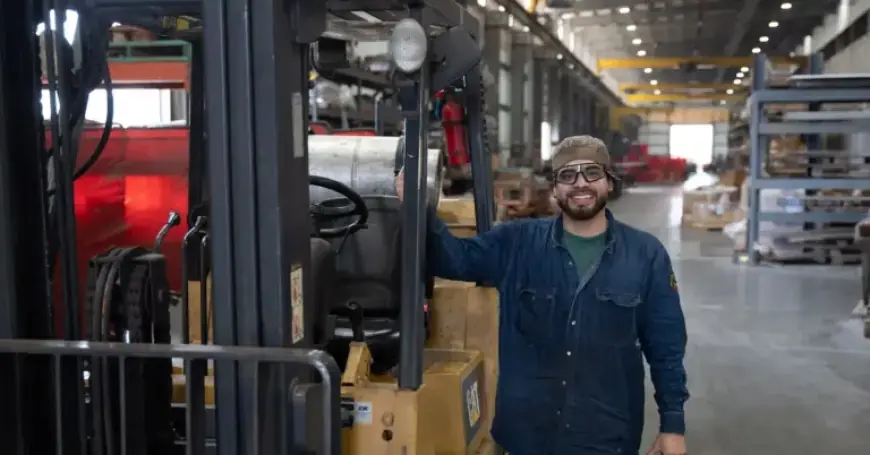
In a time when many young professionals are apprehensive about the impact of artificial intelligence on job security, Joseph Paredes, a 26-year-old welder, remains optimistic. Working five days a week, he earns approximately $100,000 annually, allowing him to support his family and purchase a home. Unlike his peers who are entering university, Paredes chose the skilled trades due to financial constraints and the high cost of education.
Choosing Skilled Trades Over College
Paredes began his career as an electrician, a demanding job that involved extensive travel between Katy, Texas, and Louisiana. In pursuit of a better work-life balance, he shifted to welding. “I’ve always had a good work ethic, and I learned pretty fast,” he reflects. His decision was driven by the desire to spend more time with family.
Perception of Job Security
While many young workers worry that AI might threaten their positions, Paredes feels more secure in his role. He states, “We have robots here, but we still need a physical person, a human, to make those robots work.” His confidence aligns with a wider trend among Americans. A 2025 Reuters/Ipsos poll shows that many are concerned about AI potentially displacing jobs.
Skilled Trades as a Safe Bet
People are increasingly considering skilled trades that are less susceptible to automation, such as plumbing and landscaping. A 2023 study by Pearson estimates that AI could replace 46% of tasks in some white-collar jobs by 2032, contrasting with just 27% in the most affected blue-collar jobs.
A Changing Workforce Landscape
According to Bill Shafransky, a wealth adviser from Connecticut, disillusionment with conventional job paths preceded the rise of AI. He suggests that young workers are now proactively choosing alternatives. “A lot of young people are course-correcting while they still have time,” he notes.
Key Takeaways
- Future-Proof Careers: Skilled trade jobs like welding and plumbing offer more job security amid automation.
- Work-Life Balance: Prioritizing personal well-being is essential when selecting a career path.
- Alternative Education Pathways: Skipping college can offer financial advantages, enabling quicker entry into the workforce.
For individuals like Joseph Paredes, pursuing a skilled trade provides not only economic stability but also the opportunity for a balanced life. As the workforce evolves, considering nontraditional paths may become increasingly essential for young professionals navigating their careers.