





















Philadelphia Responds to Removal of President’s House Slavery Exhibit

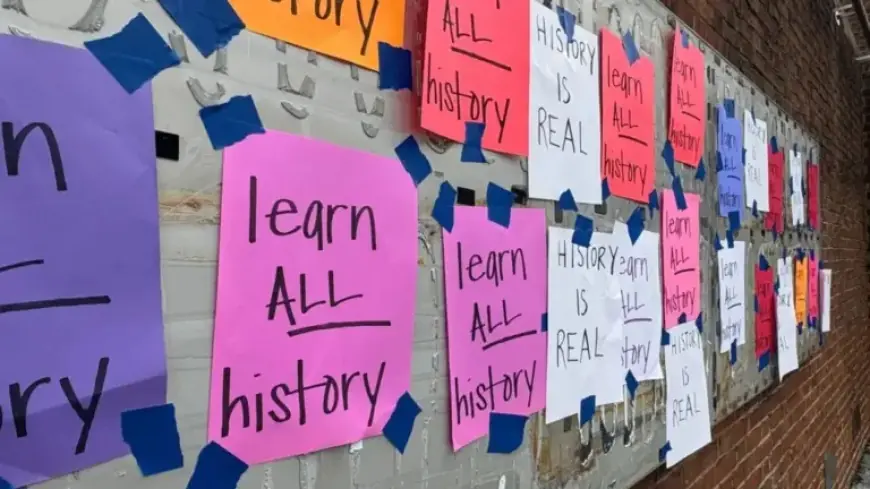
The recent removal of the slavery exhibit at the President’s House site in Philadelphia has sparked significant controversy and protests. The National Park Service dismantled the exhibit on Thursday. This action led a group of residents to express their outrage at the decision.
Community Response to the Exhibit Removal
Approximately 20 residents gathered at the site to voice their discontent. Jim Nicholson, a local from Media, remarked on the importance of confronting historical truths. “It’s a line that has been crossed,” he stated. Others echoed his sentiments, stressing the need to acknowledge America’s past, including its ties to slavery.
- Zaire Woods, a 17-year-old high school student, stated the removal is “messed up” and limits educational opportunities.
- His peer, Nicholas Aappiahene, remarked that “taking away our history” isn’t favorable.
History of the Exhibit
The six-panel exhibit, titled “Freedom and Slavery in the Making of a New Nation,” debuted in 2010 after extensive advocacy by community groups. It delved into the contradiction between the struggle for freedom and the involvement of key historical figures in slavery.
The panels highlighted the lives of nine individuals enslaved by George Washington while he resided in Philadelphia. It also referenced over 300 others held at his plantation in Virginia. The Avenging the Ancestors Coalition played a crucial role in establishing the exhibit, emphasizing the need to memorialize those who suffered under slavery.
Concerns Over the Removal
Roz McPherson, the project director who oversaw the exhibit’s development, was informed about its removal during the dismantling process. She expressed disappointment over the efforts of many community members who dedicated years to the project.
McPherson clarified that the funding for the exhibit did not come from the National Park Service, nor did the federal government contribute. Instead, local foundations and the city provided the financial support needed to create the interpretive display.
Future of the Exhibit Panels
In light of the removal, McPherson expressed a desire to reclaim the panels, which are now in the possession of the park service. She emphasized the need to understand the complex relationship between the city and the park service regarding the site.
The decision to remove the exhibit has raised questions about historical recognition and the challenges of preserving significant narratives. Many hope for a resolution that reflects the importance of acknowledging all aspects of history.