

























Why Minneapolis Defines a Turning Point for U.S. Citizens

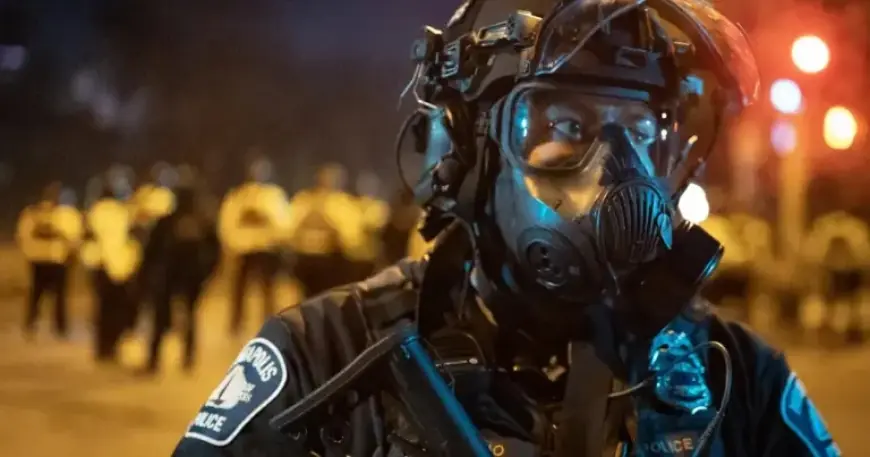
The recent events in Minneapolis mark a significant turning point in the discourse surrounding government power and civil rights in the United States. The tragic death of Renee Good, a 37-year-old U.S. citizen, during an operation by Immigration and Customs Enforcement (ICE) has sparked widespread debate. The manner in which the government has responded to this incident highlights ongoing tensions regarding the use of force and accountability.
Renee Good’s Death: A Catalyst for Change
Renee Good was killed by an ICE agent earlier this month during a federal operation in Minneapolis. Her death drew attention not only because of the tragic circumstances but also due to the subsequent narratives crafted by officials. Instead of focusing on the lethal use of force that took her life, government representatives, including President Trump and Secretary of Homeland Security Kristi Noem, quickly labeled her actions as “disrespectful” and “domestic terrorism.”
Government Response Raises Concerns
By shifting the focus to discrediting Good’s character rather than confronting the deadly force used, the administration has shaped public perception in a way that diminishes accountability. This tactic has drawn criticism from within the Justice Department, with multiple senior attorneys resigning in protest against how the case was being managed.
- Shift in Narrative: Officials framed Good as a threat rather than addressing the circumstances of her death.
- Internal Resistance: Resignations from high-ranking Justice Department attorneys signal dissent within the government.
Challenges to Democratic Norms
The events surrounding Good’s death reflect a broader issue concerning the legitimacy of state power. The administration’s approach has raised questions about how law enforcement is justified and exercised. Increasingly, actions once subject to rigorous scrutiny have become accepted as routine, making transparency and accountability hard to find.
Public Dissent: A Fundamental Right
The ability of citizens to question government actions is essential to democratic governance. When peaceful protests and inquiries into law enforcement practices are viewed as disloyalty, the democratic framework becomes threatened. This inversion of norms fundamentally alters the relationship between the state and its citizens.
- Peaceful Protest: Acts of dissent are crucial for maintaining democratic legitimacy.
- Legitimate Inquiry: Questions about the use of force by the government are a constitutional right.
Looking Ahead: The Path to Accountability
As the nation grapples with these developments, a critical question remains: How will citizens respond to state power when it appears to operate without oversight? The forthcoming discussions will determine whether force exercised in the name of governance remains answerable to the people.
The ongoing events in Minneapolis serve as a stark reminder of the fragile balance between security and civil rights. The legitimacy of government operations hinges on transparency and accountability, principles that are foundational to a functioning democracy. The way forward will require a collective commitment to restore this balance and ensure that citizen voices are heard and respected.