























Prepare Your Home Effectively for the Upcoming Winter Storm

A severe winter storm is expected to impact vast areas of the United States this week, bringing heavy snow, ice, and frigid temperatures that could affect up to 160 million people. Here’s how to prepare your home effectively for the upcoming winter storm and ensure your safety and warmth.
Stay Warm During Power Outages
With warnings from electric grid managers regarding potential power failures, maintaining warmth in your home is crucial. The Environmental Protection Agency suggests keeping extra blankets and coats available. If you rely on a backup heat source like a fireplace, ensure you have matches and dry kindling accessible.
Never use a generator indoors due to toxic exhaust. Additionally, avoid running car engines in closed garages or using a stove for heating. Each year, fire hazards during winter grow, causing fatalities from using unsafe heating methods.
To retain heat inside your home, seal windows and door frames with adhesive tape, a preparation that can be helpful even before storm season.
Protect Your Pipes
To prevent your pipes from freezing, keep your thermostat set to at least 55 degrees Fahrenheit. Before the storm hits, turn off water to outdoor spigots and drain the line. For pipes at risk, running your faucets slightly can help prevent bursts.
Prepare Backup Lighting
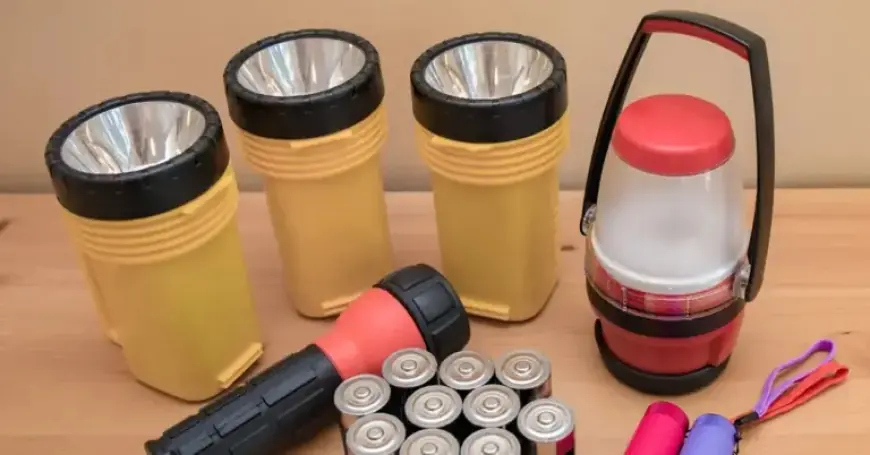
As daylight fades earlier in winter, a power outage can lead to extended darkness. The National Weather Service recommends stocking up on flashlights and extra batteries. While smartphones can serve as flashlights, investing in high-quality battery-operated lights can be beneficial.
According to the CDC, using battery-powered lights is safer than candles to minimize fire risks. If you choose to use candles, place them in secure holders and never leave them unattended.
De-Ice Your Path
Applying ice melt before snowfall can prevent dangerous ice from forming. The type you choose depends on your specific needs:
- Sodium chloride (rock salt): Effective above 15°F but can corrode surfaces.
- Magnesium chloride: Safer for pets but only works above 0°F.
- Calcium chloride: Works as low as -25°F but is not pet-friendly.
Stock Up on Supplies
The Federal Emergency Management Agency (FEMA) advises keeping a three-day supply of food and water ready. This includes:
- About one gallon of water per person per day.
- Non-perishable food items that don’t require cooking, such as canned goods.
Don’t overlook the importance of a first aid kit and any necessary medications.
Consider Your Pets
Your pets also require adequate supplies. Ensure they have food and water for several days, and where feasible, keep them indoors during the storm. For outdoor animals, move them to higher ground to avoid flooding.
If walking dogs, consider using pet booties to keep their paws safe. Alternatively, apply veterinarian-approved protectants on their paw pads to shield them from harsh conditions.
Post-Storm Cleanup
Once the storm has passed, inspect the exterior of your home. It’s essential to:
- Remove snow from gutter downspouts to prevent water buildup.
- Check for icicles indicating clogged gutters.
- Seal any foundation cracks.
- Address heavy snow on branches that may threaten your roof.
- Clear snow from your dryer vent and exhaust pipes to ensure proper functionality.
By taking these steps, you can effectively prepare your home for the winter storm, ensuring safety and warmth for you and your loved ones.