Anthony Hopkins Opens Up About Family Estrangement and Refusal to ‘Waste Blood’

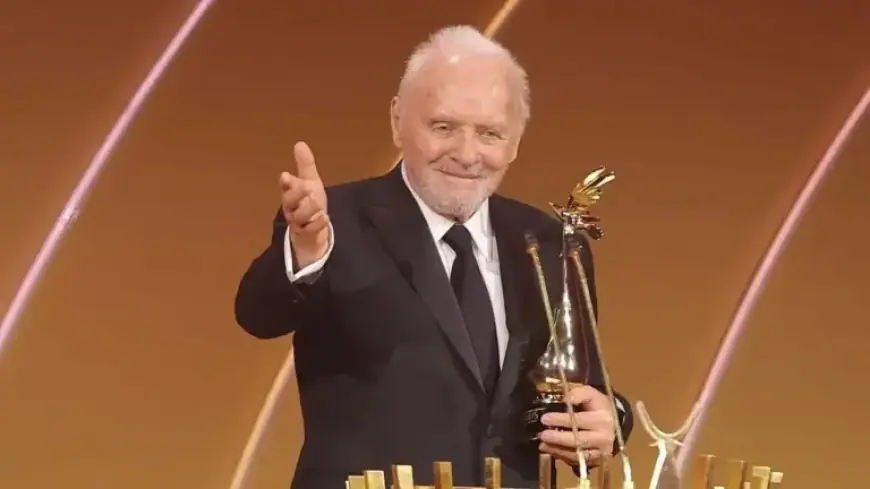
In a candid discussion on family estrangement, Anthony Hopkins shared insights during a recent episode of The New York Times podcast, The Interview. The dialogue, while sensitive, highlighted the complexities of his relationship with his daughter.
Family Estrangement and Personal Reflections
During the podcast, the host approached the topic by acknowledging its delicacy. Hopkins, displaying discomfort, remarked, “I know what you’re gonna talk about my domestic life.” He clarified that while his memoir, We Did OK, Kid, touches on family matters, he preferred not to delve deeply into them in this setting.
The conversation transitioned to the broader theme of reconciliation between parents and their estranged children. The host related Hopkins’s experiences to his own, expressing curiosity about what making amends would look like in such situations.
Attempts at Reconnection
Hopkins recounted a single attempt to reconnect with his daughter. His wife, Stella, had extended an invitation, but he received “not a word of response.” This led him to reflect on the personal costs of resentment. He stated, “I wish her well. But I’m not gonna waste blood over that.”
The Dangers of Resentment
Hopkins emphasized the destructive nature of holding onto grudges. He warned against wasting one’s life in resentment, saying, “If you wanna waste your life being in resentment…fine, go ahead.” He believes that reliving past grievances hinders one’s peace of mind. He articulated, “But that’s death. You’re not living.”
Embracing Imperfection in Humanity
Framing his thoughts within the context of human imperfection, he remarked, “We’re not saints. We’re all sinners and saints.” He promotes moving beyond unresolved issues, insisting, “You have to say, get over it.” He added, “But I have no judgment. I did what I could.”
On His Memoir and Mental Health Insights
When asked if he hoped his daughter would read his memoir, Hopkins firmly stated, “I’m not gonna answer that, no. I don’t care.” He explained that his intention was not to cause her any pain. Additionally, he dismissed any claims regarding autism suggested by his wife, deeming mental health labels as “nonsense” and emphasizing the complexities of the human experience.
Through this conversation, Anthony Hopkins sheds light on the emotional intricacies of family dynamics and the importance of moving forward, thus resonating with many individuals grappling with similar estrangements.