Rail Line Shuts Amid Storm Threat, 12 Years After Previous Destruction

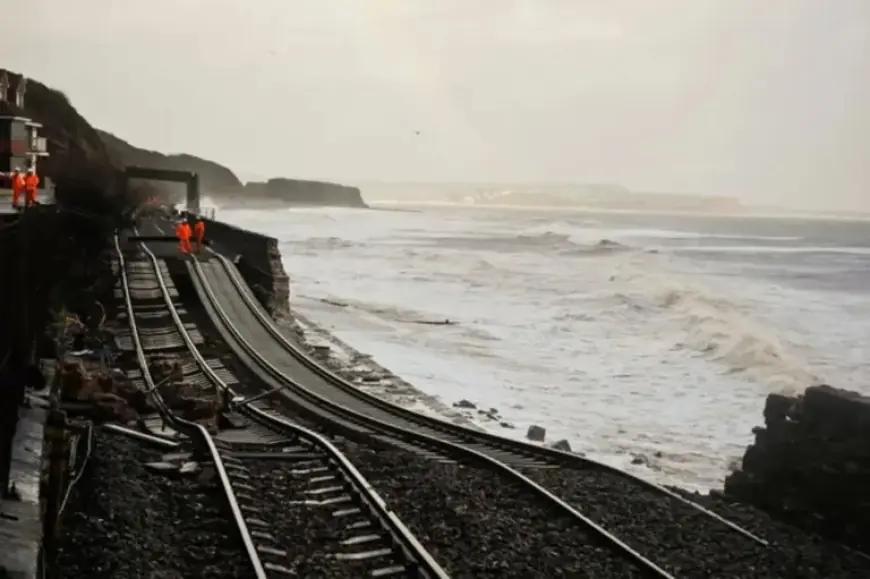
The railway line between Exeter and Newton Abbot will undergo a temporary closure due to severe weather warnings. This decision arises as the Met Office anticipates Storm Ingrid to hit the South West with wind speeds reaching up to 60 mph.
Closure Details and Safety Precautions
Network Rail and Great Western Railway announced that the line will close at 8:30 PM on January 23rd and will remain shut until at least 2:00 PM the following day. Safety inspections will be conducted once the storm conditions subside.
Passengers traveling through Devon and onto Cornwall on January 24th should prepare for potential disruptions lasting until 4:00 PM. This precaution follows a historical event nearly 12 years prior when a storm destroyed the Dawlish line, causing an eight-week shutdown.
Investments in Infrastructure
Since that incident, substantial investments exceeding £80 million have been made to rebuild the Dawlish sea wall and restore the railway line. Despite these improvements, the threat from Storm Ingrid necessitates immediate action.
Impact on Travelers
- Replacement coach services will be available for affected passengers.
- Travelers between Plymouth and Penzance are advised to switch at Tiverton Parkway for coach transfers to Plymouth.
- Those heading to Teignmouth or Newton Abbot should change trains at Exeter St Davids.
Replacement coaches will operate from station fronts until midday on January 24th. Passengers holding tickets for travel on January 23rd can use them through January 25th.
Government Commitment
The Department for Transport highlights that significant government funding has improved the South West coastline’s resilience against extreme weather. This initiative aims to enhance connectivity and support the local economy.
Both Great Western Railway and Network Rail are committed to ensuring the line’s safety and resilience for the communities it serves. Ongoing evaluations and adaptations will play a crucial role in maintaining these services amid unpredictable weather patterns.