

























NASA’s Artemis 2 Moon Rocket Reaches Launch Pad: What’s Next?

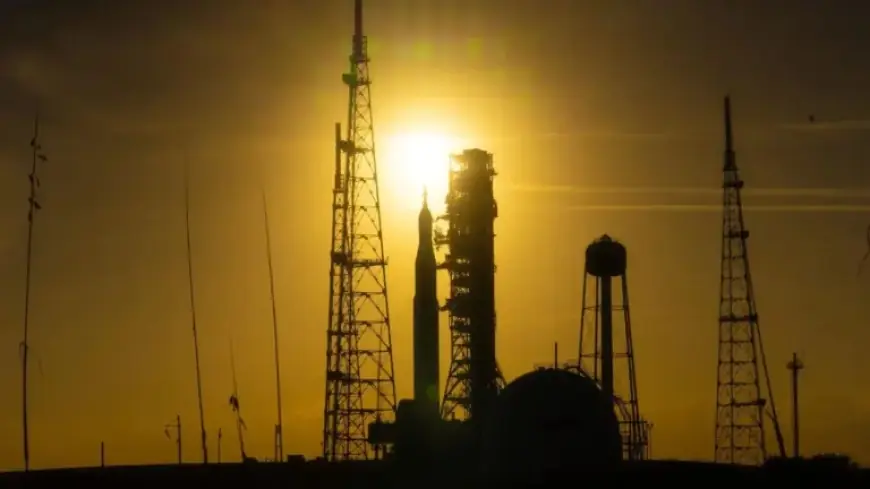
NASA is making significant preparations for its upcoming Artemis 2 mission, scheduled to launch on February 6, 2025. This mission will send four astronauts on a 10-day journey around the Moon. The crew includes commander Reid Wiseman, pilot Victor Glover, mission specialist Christina Koch, and Canadian astronaut Jeremy Hansen.
Key Milestones Ahead of Launch
Before the crew embarks on their voyage, several essential tasks need to be completed. These include comprehensive technical tests and a major fueling operation at Launch Pad 39B, located at the Kennedy Space Center in Florida.
Testing and Operations
- The Space Launch System (SLS) and Orion spacecraft left the Vehicle Assembly Building (VAB) on January 17, 2025, at 7:01 a.m. EST.
- The rocket reached the launch pad nearly 12 hours later.
- According to Artemis 2 launch director, Charlie Blackwell-Thompson, immediate connectivity tests for ground systems and fueling systems will follow.
Important systems, including the rocket’s crew access arm and emergency egress system, will undergo testing to ensure readiness. The team will also perform checkouts for communication systems and booster servicing.
Countdown Demonstration Tests
In addition to the aforementioned preparations, astronauts will participate in a second countdown demonstration test. This will take place after their first test conducted in December, inside the VAB.
The Wet Dress Rehearsal
A crucial event leading up to the launch is the wet dress rehearsal. Scheduled for completion by February 2, this test simulates a countdown and includes loading over 700,000 gallons of cryogenic propellants into the rocket.
Importance of the Wet Dress Rehearsal
- NASA officials clarified that this procedure is vital for ensuring the rocket’s readiness for launch.
- Lessons learned from prior Artemis missions are being implemented to streamline the process.
- Previous missions required several attempts to successfully complete a wet dress rehearsal.
Lessons Learned from Previous Missions
Blackwell-Thompson shared insights from Artemis 1, emphasizing that the team has adapted their approach based on past experiences. Challenges related to fueling liquid hydrogen and addressing leakage issues led to significant design modifications.
Future Launch Opportunities
Although February 6 is the primary launch date, NASA remains flexible with additional windows available throughout February, March, and April. Blackwell-Thompson stated that the team’s goal is to ensure safety and readiness before proceeding with the launch.
As preparations continue, the Artemis 2 mission represents a pivotal step for NASA in its goal of returning humans to the Moon. With lessons learned from previous missions, the team is focused on refining their processes for a successful launch.