

























Florida Seeks H-1B Hiring Ban in Public Universities

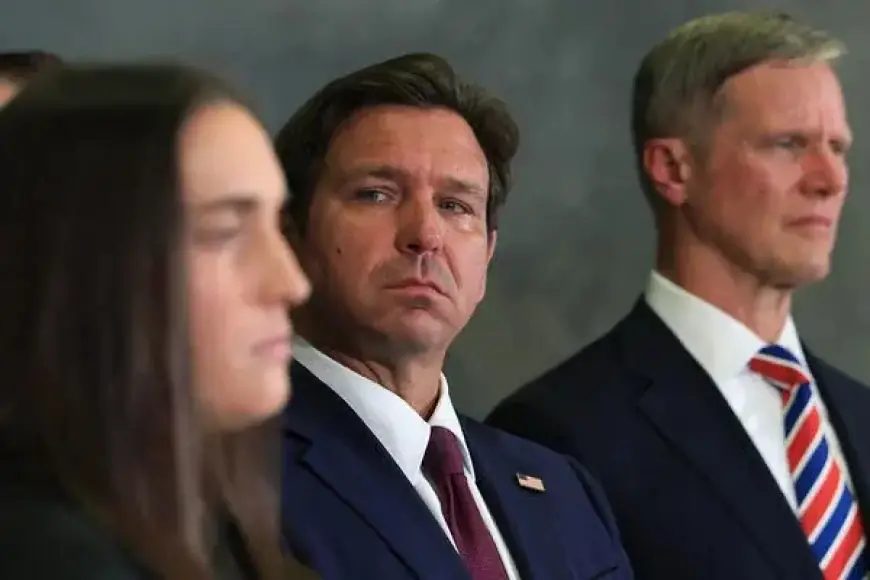
Florida’s public universities are facing a significant policy shift regarding the hiring of foreign workers through H-1B visas. The Florida Board of Governors will evaluate a proposal that prohibits these institutions from employing new staff under the H-1B program until January 5, 2027. This decision follows a directive from Governor Ron DeSantis in October, urging state universities to cease the use of this visa program.
Proposed Policy Change
Next Thursday, the Board of Governors’ Nomination and Governance Committee plans to review an amendment to the current hiring policy. If passed, the change would explicitly restrict universities from utilizing the H-1B visa program. Following the committee’s decision, there will be a 14-day public comment period before any final approvals.
Background and Context
The proposal reflects growing concerns expressed by Governor DeSantis about foreign academics. He has publicly criticized the hiring of professors from nations such as China and has emphasized the need for prioritizing local job seekers. DeSantis stated, “We need to make sure our citizens here in Florida are first in line for job opportunities.”
Impact on Florida’s Universities
The H-1B visa program plays a critical role in staffing for universities, especially in high-demand areas such as healthcare and engineering. In the last fiscal year, data from the U.S. Citizenship and Immigration Services revealed:
- University of Florida: 253 H-1B visa holders
- University of Miami: 146 H-1B visa holders
- Florida State University: Approximately 110 H-1B visa holders
- University of South Florida: Approximately 110 H-1B visa holders
- University of Central Florida: 47 H-1B visa holders
Other public institutions also used the program to hire faculty, doctors, and researchers, essential for addressing critical needs within the state.
Response and Future Considerations
As this policy revision moves forward, it remains uncertain how university officials will respond. Spokespeople for the State University System of Florida and Governor DeSantis have not yet provided comments regarding the potential changes. Additionally, the amendment to the policy aims to ensure that all university hiring practices remain non-discriminatory regarding race, color, religion, national origin, or sex.
The developments in this hiring policy may significantly impact the landscape of higher education employment in Florida, shaping the future of its workforce and academic diversity.