
























Natural Gas Prices Surge Over 60% with Incoming Winter Storm

As winter approaches, consumers should brace for significant increases in their energy bills. A major winter storm is on the horizon, prompting worries about rising natural gas prices.
Natural Gas Prices Surge Over 60%
The National Weather Service has forecasted “widespread heavy snow, sleet, and freezing rain” starting Friday and persisting throughout the weekend. This disruptive winter weather will likely trigger a spike in energy demands across the country.
Demand Surge and Pricing Impact
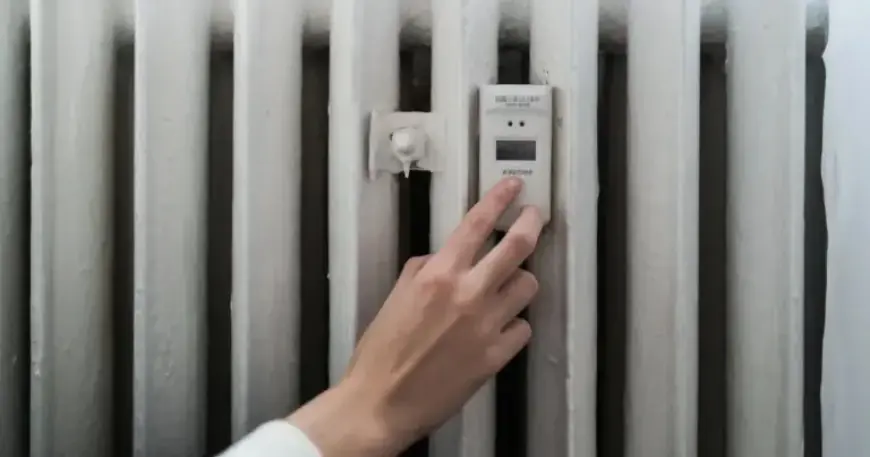
Eli Rubin, a senior energy analyst at EBW AnalyticsGroup, notes that an overwhelming demand pull occurs when households adjust their thermostats. This rush to increase heating will lead to higher natural gas and electricity prices.
- Electric heating may face a larger increase in demand.
- Electric heaters are typically less efficient than gas heaters.
- Regions unaccustomed to sustained cold, like the Southeast, will experience greater price fluctuations.
Short and Long-Term Effects on Energy Bills
Natural gas prices have surged approximately 63% since Monday, marking the most substantial increase since December. However, consumers will not see the full impact of these price hikes immediately. Instead, the changes will manifest gradually over the upcoming billing cycles.
Rubin explains that regulatory commissions and local utilities will not raise gas rates abruptly. Consumers may notice the adjustments in six months to a year, or even longer, depending on the situation.
Additional Factors Influencing Prices
The ongoing increase in electricity demand is partly fueled by the expansion of artificial intelligence data centers, which consume considerable energy. This trend has repercussions for residential energy bills.
Henry Hofmann, co-portfolio manager of the Catalyst Energy Infrastructure Fund, indicates that while current natural gas inventories are stable, “freeze-offs” caused by extreme cold temperatures will likely lead to a significant draw in supply.
Regulatory and Market Adjustments
According to the U.S. Energy Information Administration (EIA), freezing temperatures can disrupt natural gas production and transportation. Equipment failures may not only decrease supply but also cause power outages.
Additionally, Hofmann mentioned that some gas may be redirected from liquefied natural gas (LNG) facilities to help stabilize market prices during short-term shortages.
The EIA’s Short-Term Energy Outlook projects that natural gas costs will decline this year but may rise again in 2027 due to increased demand driven by LNG exports and consumption in the electric power sector.
As demand surges, Rubin emphasizes that various supply constraints are intensifying the impact on pricing. Households should prepare for these trends as winter approaches, with energy bills expected to reflect the rising costs accordingly.