

























Colorado Wildlife Officials Halt Gray Wolf Reintroduction This Winter

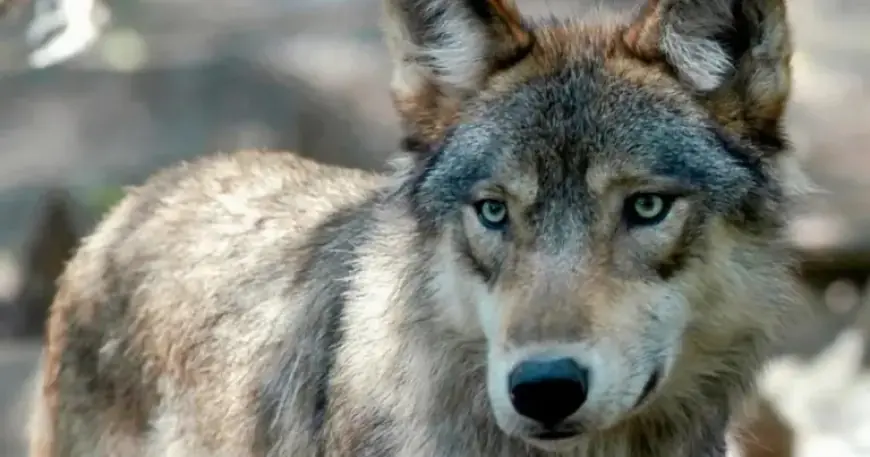
Colorado wildlife officials have announced that the anticipated reintroduction of gray wolves this winter will not take place. This decision arrived from the Colorado Parks and Wildlife (CPW) and is seen as a setback for the goal of establishing a sustainable wolf population in the state.
Reasons Behind the Decision
The announcement followed federal communications from the U.S. Fish and Wildlife Service (USFWS). In October, the federal agency warned CPW about compliance issues related to Colorado’s wolf reintroduction program. If unresolved, the USFWS indicated it might assume control of the initiative.
Federal Oversight and State Response
- CPW plans to collaborate with the USFWS and stakeholders to enhance restoration efforts for the next winter.
- Officials aim to address concerns from livestock producers regarding potential conflicts with gray wolves.
The USFWS had recommended that Colorado cease importing wolves from Canada. Instead, it advised drawing wolves from northern Rocky Mountain states for future reintroduction efforts.
Implications for Livestock and Local Communities
Laura Clellan, CPW’s acting director, emphasized ongoing discussions with livestock producers. She acknowledged the need to protect both wolves and agricultural interests. Cattle ranchers in southwestern Colorado have expressed strong concerns about the impact of gray wolves on their livestock.
Current Wolf Population and Challenges
Despite confirming successful reproduction in four wolf packs this past summer, the number of new pups remains unverified. The current population faces a high mortality rate, with nearly 50% of wolves since their reintroduction in December 2023 not surviving.
Eric Odell, the CPW Wolf Program Manager, highlighted the increased risk this poses for achieving a self-sustaining wolf population in Colorado. He urged stakeholders to work together amid these complexities.
Reactions from Stakeholders
- Rob Edward of the Rocky Mountain Wolf Project expressed disappointment in the decision, citing a reversal of federal commitments to Colorado’s wolf restoration.
- Curt Russell, president of the Colorado Cattlemen’s Association, described the halt as a necessary pause for addressing ongoing livestock concerns.
He insisted that while the reintroduction is postponed, effective management strategies should continue to alleviate livestock-wolf conflicts.
Summary of Colorado’s Wolf Population
As of now, the known wolf population involves:
| Group | Population Status |
|---|---|
| Original Wolves Released (Dec 2023) | 6 surviving from 10 |
| Pups Born (Spring 2024) | 3 surviving from 5 |
| Wolves Released (Jan 2025) | 8 surviving from 15 |
| Unknown Status | Various uncollared wolves tracked sporadically |
Colorado’s approach to wolf reintroduction continues to evolve, necessitating careful management to balance ecological goals and agricultural interests. The upcoming winter will be crucial for assessing future strategies in this ongoing initiative.