

























Key Insights: FY26 Funding Package Cuts and Re-Staffing Efforts

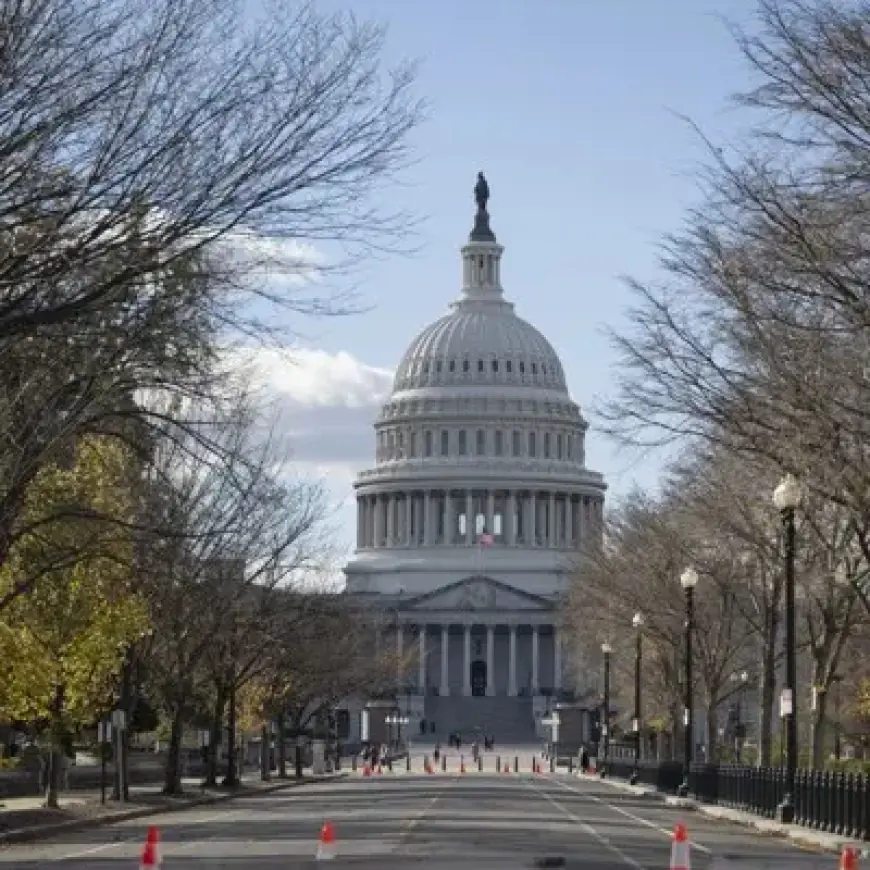
As Congress approaches the end of January, it appears increasingly unlikely that a government shutdown will occur. With less than two weeks to finalize crucial votes for fiscal year 2026 funding, bipartisan discussions have led to a fourth spending package. This agreement covers all twelve must-pass funding bills essential for government operations, with several already approved by Congress.
Key Insights: FY26 Funding Package Cuts and Re-Staffing Efforts
Lawmakers have unveiled the final minibus that allocates funds to crucial departments such as Defense, Labor, Health and Human Services (HHS), and Homeland Security. These agencies are currently supported through a temporary continuing resolution expiring on January 30. Notably, the proposed funding bills largely bypassed the significant cuts initially suggested by former President Trump, making some adjustments to bolster specific sectors.
Budget Adjustments and Staffing Cuts
Republicans pointed to the preservation of some workforce reductions implemented in 2025, reflecting a right-sizing of the federal workforce. However, there is growing bipartisan support to reverse some of these reductions in key areas.
- The Department of Homeland Security (DHS) witnessed a heated debate over funding related to immigration enforcement.
- Customs and Border Protection funding would decrease by $1 billion, while Immigration and Customs Enforcement’s budget would remain stable.
- Both agencies would receive funding for body cameras and require personnel to complete de-escalation training.
Funding for Health and Public Safety
Significant allocations have been made to bolster public health funding overall. Congress denied Trump’s suggestions for sweeping cuts to HHS, with the National Institutes of Health receiving a $415 million increase. The Centers for Disease Control and Prevention will maintain its funding level, resisting proposals for deep cuts.
The funding package also includes a notable allocation for medical research at the Pentagon, providing $2.7 billion, which reflects a substantial increase from the prior fiscal year.
Support for Air Traffic Control and FEMA
Air traffic control operations are set to benefit from a $40 million increase, aimed at providing pay raises and boosting staffing by 2,500 personnel. The Federal Aviation Administration, which faces persistent staffing challenges, will see overall funding grow by 8%.
Additionally, the Federal Emergency Management Agency (FEMA) receives an 18% increase in its operational budget, countering previous efforts by Trump to diminish its role. Significant staffing commitments will be maintained to ensure FEMA can effectively respond to disasters.
IRS Funding Cuts and Additional Provisions
Despite a previous allocation of $80 billion to the IRS as part of the Inflation Reduction Act, lawmakers have since rescinded over $40 billion in funding aimed at modernization and enforcement efforts. In the latest spending package, $11.7 billion more will be clawed back, indicating ongoing legislative challenges for the agency.
Lawmakers have consistently prevented the elimination of various offices and agencies, ensuring continued funding for organizations like the Institute of Museum and Library Services and the Corporation for National and Community Service.
The House is expected to approve the budget measures soon, with the Senate set to deliberate upon their return from recess.