

























Judge Approves Democrats’ Redistricting Plan for NYC House Districts

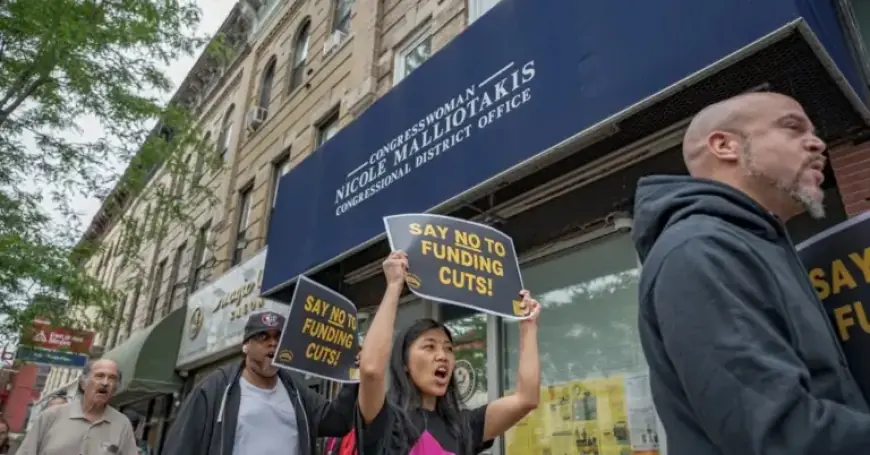
A recent ruling has granted a significant victory to New York Democrats in their efforts to redraw congressional district lines. On Wednesday, Justice Jeffrey H. Pearlman of the State Supreme Court determined that the 11th Congressional District, which includes Staten Island and parts of South Brooklyn, disenfranchises Black and Latino voters.
Key Ruling on Redistricting Plan
Justice Pearlman concluded that there is a persistent pattern of discrimination impacting minority voters in the district. He rejected the Democratic lawyers’ proposed map, which aimed to incorporate parts of Lower Manhattan, likely protecting the only Republican-held House seat in New York City.
Next Steps for the Redistricting Process
As part of his decision, Justice Pearlman directed the state to reconvene its Independent Redistricting Commission by February 6 to create a new congressional map. This ruling could be subjected to an appeal. Lawyers representing current 11th District Representative Nicole Malliotakis had requested that Justice Pearlman recuse himself due to his previous connections with Democrats, but he declined.
Background and Political Implications
Since 2021, the district has been represented by Malliotakis. Pearlman’s ruling has sparked reactions from various political leaders, including House Minority Leader Hakeem Jeffries, who sees it as a step toward ensuring fair representation for diverse communities from Staten Island to Lower Manhattan.
Statistics on Voter Disenfranchisement
- Black and Latino voters in the district have historically had limited electoral success, losing 75% of the time to candidates they support.
- The Black and Latino population on Staten Island has increased from 11% to 30% over the past 40 years.
Legal Arguments and Challenges
The plaintiffs, represented by Elias Law Group, argue that the current district lines violate anti-discrimination laws by limiting the political influence of growing minority communities. Their suggestion includes reconfiguring the district to merge Staten Island with southern Manhattan, similar to maps from previous decades.
Future Implications for Political Landscape
The outcome of the redistricting process could reshape political dynamics in the 11th District, potentially allowing Representative Daniel Goldman to run against Malliotakis if the lines change substantially. Malliotakis, who describes the lawsuit as a frivolous attempt by Washington Democrats, has committed to exploring her options following the ruling. Meanwhile, Goldman emphasized the importance of gaining a House majority.
The Broader Context of Gerrymandering
This redistricting case is part of a larger national trend regarding gerrymandering, spurred by partisan conflicts. Many Democratic leaders regard this legal battle as essential in fighting for equitable political representation amid ongoing disputes about electoral fairness.
Jay Jacobs, chair of the New York State Democratic Party, has voiced support for the ruling, deeming it a victory for voters in the ongoing political struggle against perceived Republican manipulation of maps. As this situation unfolds, attention will remain focused on how the Independent Redistricting Commission will redraw the district lines.