

























Supreme Court to Decide on Trump Tariffs’ Constitutionality, Not Their Merit

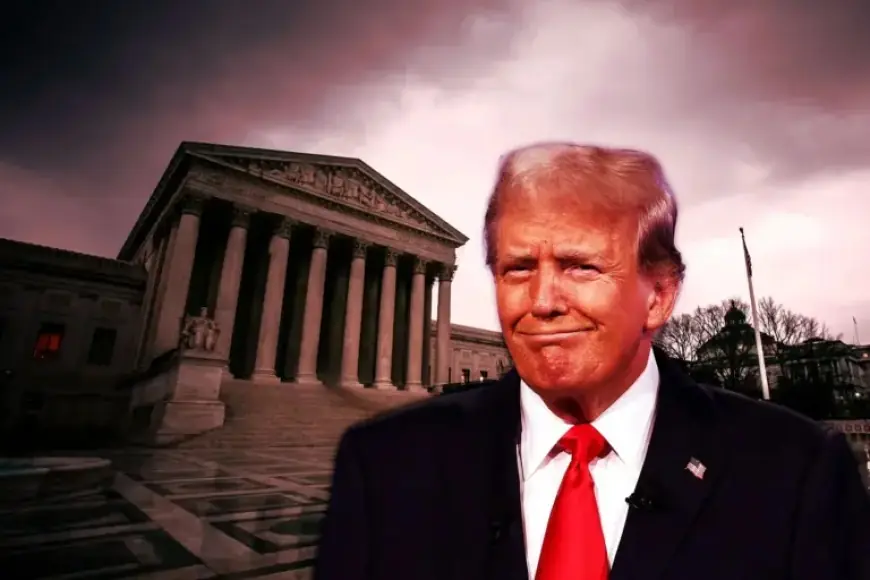
The constitutionality of Donald Trump’s tariffs is under scrutiny as the Supreme Court prepares to rule soon. This decision focuses solely on the legal framework surrounding the tariffs rather than their economic wisdom. The implications of this ruling could have significant repercussions for “economic democracy” in the U.S.
Understanding Economic Democracy
Economic democracy emphasizes inclusive decision-making that considers the viewpoints of all stakeholders. The U.S. founders supported this idea, reflected in the Constitution, which grants tariff and tax powers exclusively to Congress. This structure ensures that elected representatives are held accountable for their fiscal decisions.
The Context of Tariffs
In April 2025, Trump invoked the International Emergency Economic Powers Act of 1977 to impose tariffs on products from numerous countries. This law permits the president to address unusual threats, but it lacks specific provisions concerning tariffs, raising constitutional concerns about unchecked executive power.
Concerns Over Concentration of Power
- Tariff decisions should go through Congress to balance competing interests.
- Trump’s tariffs were largely influenced by political calculations rather than widespread public interest.
This unregulated approach potentially undermines the democratic process by allowing one individual to dictate economic policy without legislative oversight.
The Issue of Uncertainty
Trump’s tariffs, introduced through emergency powers, have been altered repeatedly. While supporters may claim this unpredictability grants the U.S. a bargaining edge, economists argue it hampers revitalization efforts in American industries. Accurate investment and hiring depend on stable tariff rates.
Lack of Accountability
By circumventing Congress, Trump’s tariff strategy lacks transparency and accountability. Tariffs effectively act as a hidden tax on consumers, as increased costs from imported goods are often passed down to them. Estimates suggest that Trump’s tariffs could generate over $2 trillion in additional revenue over a decade, despite framing it as foreign contributions.
Corruption Risks
The arbitrary nature of these tariffs fosters potential political favoritism. Corporations may lobby for exemptions, while smaller businesses, lacking political influence, are often left out. This creates an environment where tariff policies can be swayed by political favors and personal relationships.
Future Implications for Democracy
The current tariff system, devoid of traditional checks and balances, poses risks to both democracy and the economy. Historically, the framers of the Constitution sought to prevent the centralization of power and potential tyranny. A ruling against established norms could have far-reaching consequences, challenging the foundation of democratic governance.
As the Supreme Court deliberates, the outcome may reshape the future of U.S. trade policies and economic democracy.