

























Japan Restarts World’s Largest Nuclear Plant Amid Growing Concerns

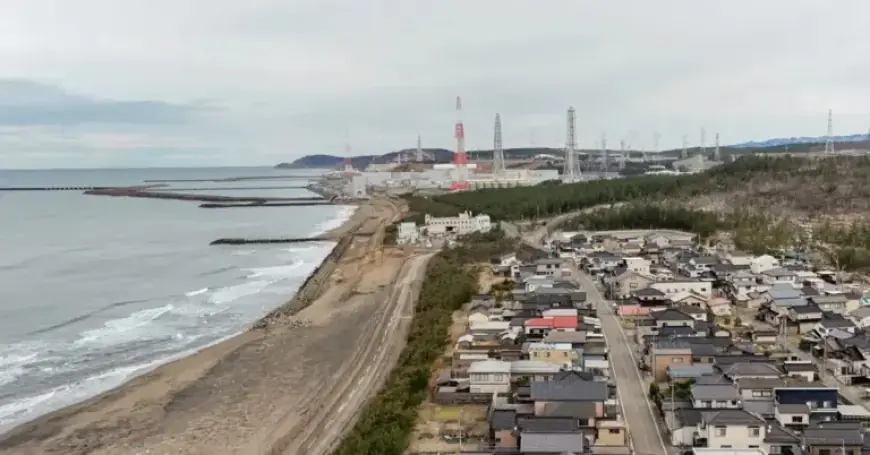
Japan is recommencing operations at the world’s largest nuclear facility, the Kashiwazaki-Kariwa plant, amid increasing concerns over safety and public sentiment. This decision marks a significant milestone nearly 15 years after the catastrophic Fukushima disaster. The restart of Unit 6 was executed by Tokyo Electric Power Company (TEPCO), the same utility responsible for the earlier incident.
Background of the Nuclear Restart
The Fukushima Daiichi disaster in March 2011 led to the evacuation of over 160,000 residents, including Ayako Oga, who relocated to Niigata Prefecture. This area has remained largely unaffected by radioactive fallout due to prevailing winds. Oga, now 53, has resumed farming but expresses concerns over the renewed nuclear activity nearby.
Kashiwazaki-Kariwa Complex
The Kashiwazaki-Kariwa nuclear plant is approximately 40 miles from Oga’s new home. The facility is vital for meeting Japan’s electricity demands, particularly in urban centers like Tokyo. Unit 6 of this plant is capable of powering over one million homes.
- Unit 6 Restart Date: Recently restarted, the process was delayed due to a safety alarm issue.
- Electricity Demand: The nation faces soaring demand for carbon-free energy amidst a push for sustainable practices.
- Nuclear Dependency: Public opinion is gradually shifting; more than half of Japanese citizens now support nuclear power.
Challenges in Restarting Nuclear Power
Despite the push to revitalize the nuclear sector, Japan has only restarted 15 out of 33 reactors since the Fukushima incident. Strict safety regulations and local government consent requirements significantly slow down the approval process. In Niigata, local officials are pressuring for enhanced safety measures before fully embracing the restart.
Community Concerns
In recent surveys, 60% of Niigata residents expressed skepticism about the safety conditions surrounding the plant’s reopening. There are lingering worries about TEPCO’s management, stemming from previous lapses in safety and transparency following the Fukushima disaster.
- Infrastructure Needs: Local officials call for reinforced evacuation routes as a prerequisite for the restart.
- Public Trust: TEPCO has committed to investing over $600 million into Niigata’s infrastructure over the next decade.
- Government Stance: The Niigata prefectural assembly voted in favor of restarting nuclear operations, though some community leaders feel this does not reflect true public sentiment.
Economic and Environmental Considerations
Mayor Masahiro Sakurai of Kashiwazaki supports the restart, emphasizing its economic benefits and the necessity of nuclear energy in combating climate change. Prior to the Fukushima crisis, nuclear power accounted for about 30% of Japan’s electricity. In 2022 alone, Japan invested nearly $70 billion in imported fossil fuels.
Future Outlook
The Japanese government aims to increase nuclear energy’s contribution to around 20% by 2030. This will require a significant number of reactor restarts. However, the path forward remains fraught with challenges, including the need for public trust and adequate safety infrastructure.
As Japan pivots toward nuclear power once more, the balancing act of energy needs versus community safety remains a critical issue. For residents like Ayako Oga, the prospect of nuclear energy is a constant source of anxiety in their new lives.