

























Korea Zinc’s $7.4B Investment to Transform Middle Tennessee Region

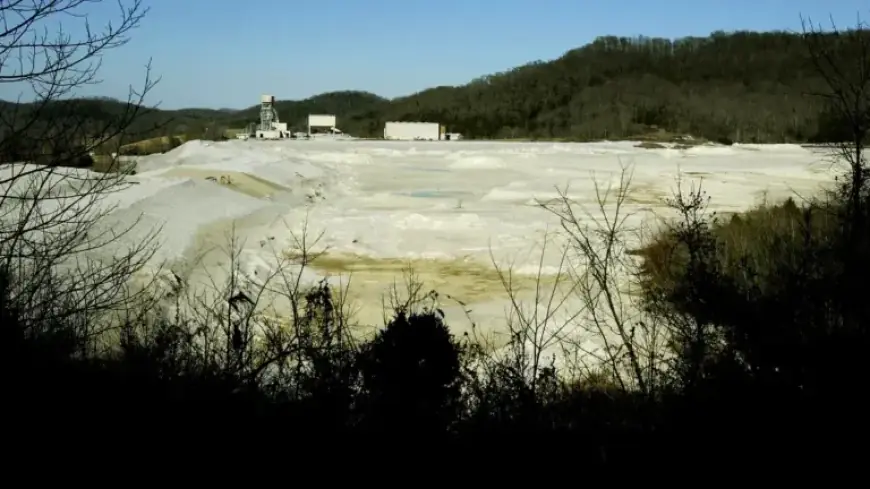
Korea Zinc is making a historic move with a substantial $7.4 billion investment to enhance the Middle Tennessee region. This initiative is the largest capital investment in Tennessee’s history, aiming to revitalize mining operations and establish new refineries. By refurbishing old facilities and constructing modern ones, Korea Zinc intends to strengthen the U.S. supply chain for critical minerals and reduce dependence on imports from China.
Korea Zinc’s Investment Overview
The investment, announced on December 15, marks a significant turning point for domestic mineral processing. Korea Zinc, based in Seoul, plans to establish its U.S. headquarters in Clarksville and acquire the Clarksville smelter from Nyrstar. This project also encompasses the nearby Middle Tennessee zinc-mining complex in Smith County, which includes reopening the dormant Gordonsville mine and adding a new refining facility.
- Investment Value: $7.4 billion
- Location: Middle Tennessee
- Estimated Job Creation: 740 jobs
- Date of Announcement: December 15
Economic Impact and National Security
This initiative is viewed as a vital step in restoring U.S. capabilities in critical minerals processing. Experts indicate that this project could reshape Tennessee’s economy while bolstering national security. South Korea has emerged as the top foreign direct investor in Tennessee since 2019, contributing approximately $7.2 billion to the state’s economy during this period.
Korea Zinc Chairman Yung B. Choi emphasized Tennessee’s skilled workforce and strong infrastructure as critical factors in this decision. The project aligns with national objectives to enhance domestic production capabilities and reduce reliance on foreign sources, especially China, which currently dominates the rare earth minerals market.
Historical Significance of Mining in Smith County
The Smith County site has a rich mining history. The area consists of three connected mines: the Cumberland Mine, Elmwood Mine, and Gordonsville Mine and Mill. In 1983, the Elmwood-Gordonsville mine produced over 109,000 metric tons of zinc, the highest in the country at the time. This rich heritage poses an opportunity for resurgence, powered by skilled labor and modern technology.
Strategic Partnerships and Workforce Development
As Korea Zinc advances towards rare earth production by 2030, building a skilled workforce remains a priority. The Tennessee State Workforce Development Board is focusing on aligning educational programs with industry needs. Success stories from previous Korean investments in the region show the benefits of local partnerships for workforce development, like the collaboration between LG Chem and the Tennessee College of Applied Technology.
Utility Expansion and Local Infrastructure
The investment will also provoke significant changes in local utilities in Clarksville and Gordonsville. The Tennessee Valley Authority (TVA) is actively expanding energy capacity to support this growth. TVA plans to invest $4.2 billion in transmission upgrades this fiscal year, with a total anticipated investment of $11 billion over the next three years.
By fostering this development, Korea Zinc’s investment is set to create a ripple effect, resulting in new opportunities and improved infrastructure that will benefit the entire region. As secondary and tertiary businesses emerge to support the mining and refining operations, the local economy stands to gain considerable traction.