
























Alberta Rejects Ottawa’s Gun Buyback: Implications for Local Owners

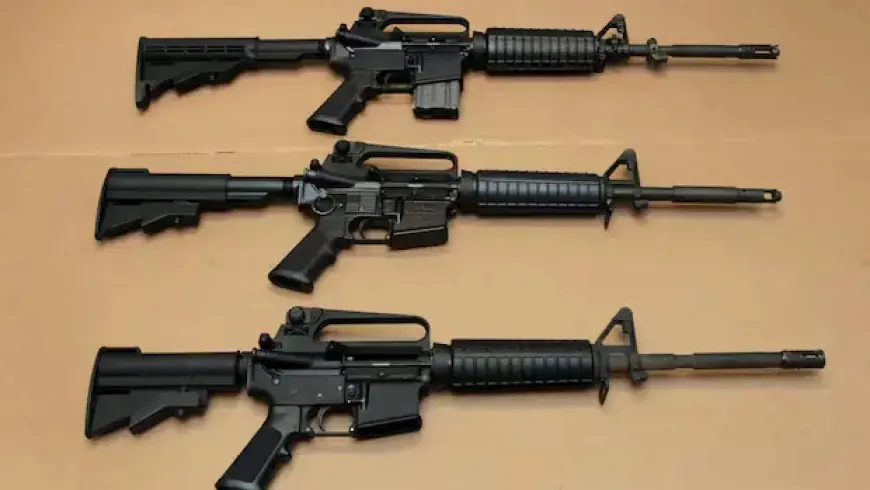
The Alberta government has officially rejected Ottawa’s national gun buyback program, citing concerns over enforcement and participation. The federal initiative bans around 2,500 “assault-style” firearms, aligning with stricter gun control measures introduced since 2020.
Alberta’s Resistance to Federal Gun Buyback Program
In December, a legislative motion passed in Alberta that prohibits local law enforcement from participating in the Assault-Style Firearms Compensation Program (ASFCP). This refusal puts Alberta alongside Saskatchewan, which has also opted out of the program, and Manitoba, where similar resistance has been noted.
Details of the Gun Buyback Program
The ASFCP offers voluntary participation for gun owners wishing to surrender banned firearms for compensation. Individuals have until March 31 to declare their interest and potentially receive payment from a federal fund of $248.6 million, intended to compensate for around 136,000 outlawed firearms.
- Deadline for declarations: March 31
- End of amnesty period: October 30
- Compensation funding: $248.6 million
- Expected payout timeframe: Within 45 business days after validation
Options for Albertan Gun Owners
Although Alberta law enforcement will not facilitate the program, residents can still declare their banned firearms to the federal government. However, failure to submit a declaration by the deadline means they will not receive compensation if they choose to surrender their firearms later.
According to Teri Bryant, Alberta’s chief firearms officer, the federal government must establish its enforcement mechanisms, as local authorities will not accept the firearms through the buyback program. Thus, interested participants must coordinate with federally licensed seizure agents.
Challenges Faced by Gun Owners in Alberta
The rejection of the program has raised concerns among gun owners about their options for compliance and potential penalties. Despite the Alberta government not forcing participation, ownership of the banned firearms remains illegal, creating uncertainty about the path forward for local residents.
Public Safety Minister Gary Anandasangaree has acknowledged the program’s challenges in Alberta and Saskatchewan. He emphasized the importance of compliance with the law regarding banned firearms, despite the bureaucratic hurdles posed by provincial legislation.
Concerns from the Industry
Local businesses, such as Sterling Arms International in Calgary, have expressed skepticism about the government’s reliability in handling compensation. Concerns have been raised about the processing delays and lack of certainty surrounding financial remuneration for surrendered firearms. According to JR Cox, the company’s head, there is a significant gap between declaring firearms and receiving actual compensation.
For those desiring to surrender their prohibited firearms without compensation, the Calgary Police Service has clarified that this is still an option, although no financial incentive will be provided. Last year, over 450 firearms were voluntarily turned in to this police department, demonstrating a willingness among some residents to comply with gun control efforts despite the lack of a provincial buyback program.