





















China to Resume Canola Seed and Beef Exports Soon

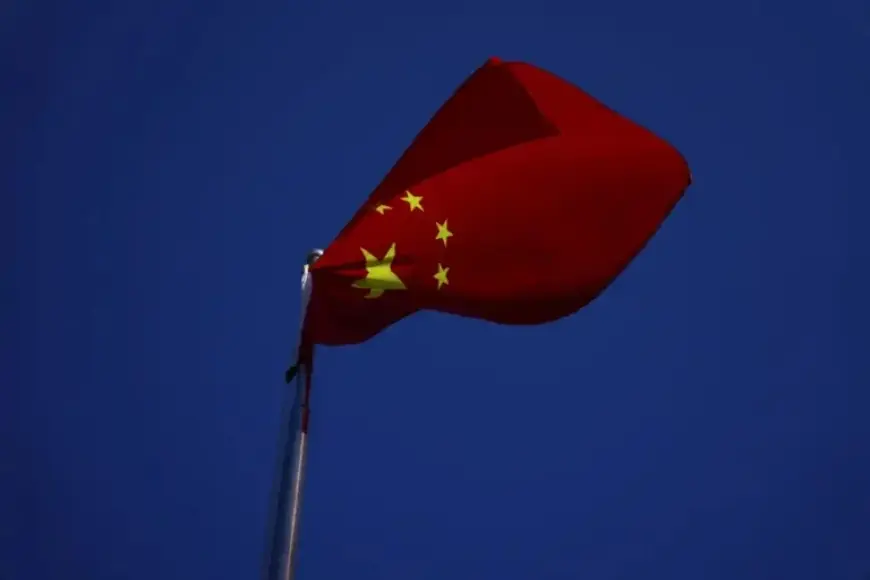
Recent developments indicate a significant shift in trade relations between Canada and China. The Canadian government has announced the resumption of canola seed and beef exports to China, following an agreement to lower tariffs. Heath MacDonald, Canada’s Minister of Agriculture, reported that a Chinese buyer has ordered 60,000 metric tons of canola seeds. Additionally, Canada’s first shipment of beef is set to head to China next week.
Resumption of Canola Seed and Beef Exports
This marks the first time since the imposition of import restrictions that Canada will export canola seeds and beef to China. MacDonald noted that the process occurred rapidly and took advantage of a unique opportunity.
China’s Tariff Reductions and Embargo Lifting
The recent announcements follow China’s decision to lift its embargo on Canadian beef. This move was prompted by the discovery of a rare case of Bovine Spongiform Encephalopathy (BSE) in Alberta in 2021. Although the case was atypical, it posed no risk to human health.
In addition to resuming beef imports, China has reduced tariffs on Canadian canola seeds. The government has temporarily suspended duties on canola meal, lobster, crab, and peas. In return, Canada has made concessions regarding tariffs on Chinese electric vehicles, allowing the import of 49,000 vehicles at a reduced rate of 6.1%.
Impact on Canadian Agriculture
MacDonald emphasized that these developments open up more markets for Canadian products, thereby stimulating economic growth. The Canadian agriculture sector contributes approximately CAD 150 billion, or 7%, to the country’s GDP.
The Canadian Cattlemen’s Association expressed optimism about regaining access to the Chinese market, recognizing it as a crucial export market. Tyler Fulton, the president of the association, highlighted that every market plays a significant role in enhancing the resilience of the beef industry.
Looking Ahead
While the agreements are promising, challenges remain, particularly concerning Canadian pork exports, which still face tariffs in China. MacDonald stated that more work is necessary to navigate these trade dynamics effectively.
In Saskatchewan, Premier Scott Moe praised the agreement, acknowledging its importance for both canola growers and beef producers. He declared the deal as one of the most significant since his election, emphasizing its broad significance for Canadian farmers.
Conversely, Ontario Premier Doug Ford expressed concerns that the agreement could jeopardize the automotive sector in his province, which is already facing challenges from previous tariffs set by the U.S. administration. However, Moe defended the agreement, stating it serves the greater good of Canada.
Conclusion
The resumption of canola seed and beef exports to China signals a hopeful chapter for Canadian agriculture. As negotiations and market access continue to evolve, the Canadian government remains committed to addressing industry concerns and maximizing trade opportunities with international partners.