























Senior Nationals Face Exit After Defying Shadow Cabinet Directives

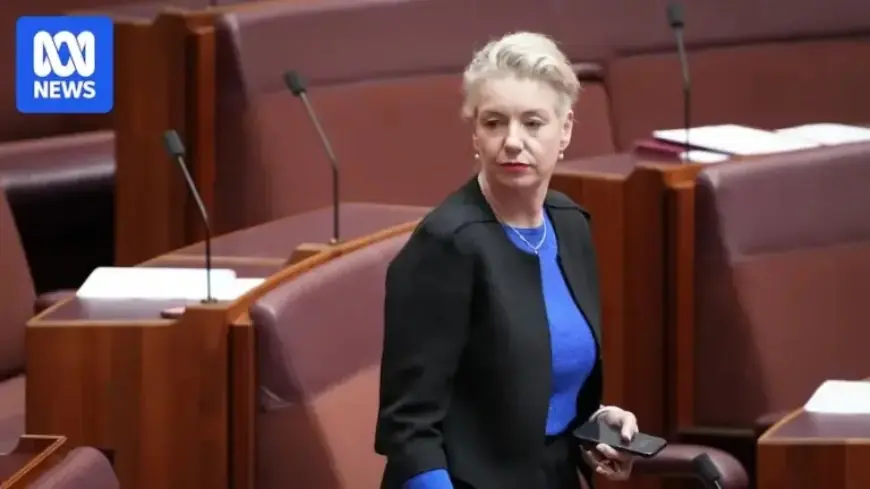
The Coalition is facing a potential upheaval after Senior Nationals Ross Cadell, Bridget McKenzie, and Susan McDonald defied directives related to hate speech reforms. Their late-night vote against the proposed legislation could result in their resignation or removal from the shadow ministry.
Background on Hate Speech Reforms
Following the Bondi terror attack, Parliament reconvened to address urgent legislative changes. Opposition Leader Sussan Ley emphasized the need to combat hate speech, leading to a contentious voting session.
The reforms aimed to strengthen laws against extremist groups, enhance visa cancellation powers, and impose stricter penalties on religious leaders who incite violence. While the Labor Party’s amended hate law reform received Senate approval with Liberal support, the Nationals opposed it due to concerns about freedom of speech.
Defiance of Coalition Position
In a surprising move, Cadell, McKenzie, and McDonald voted against the hate speech bill, contravening the Coalition’s established stance. Senior Liberal figures anticipate consequences for their actions, which could lead to their exit from the shadow ministry.
- Ross Cadell: Prepared to resign or accept removal for his vote.
- Bridget McKenzie: Agrees that voting against the reforms may endanger their ministerial roles.
- Susan McDonald: Joined her colleagues in opposing the hate speech legislation.
Cadell expressed his willingness to face the fallout, stating, “I can’t do the crime if I’m not prepared to do the time.” He mentioned the absence of desires to disrupt the Coalition’s unity despite their dissenting votes.
Consequences and Future Discussions
In light of the division, the Nationals held meetings to discuss the implications of their votes. McKenzie reiterated her commitment to integrity and leadership during this uncertainty.
David Littleproud, the Nationals leader, abstained from voting on the hate speech bill. He acknowledged the necessity to combat hate speech but insisted on maintaining freedom of expression in the processes. The circumstances surrounding hurried legislative procedures were cited as reasons for his abstention.
Coalition Stability Under Scrutiny
The internal discord is prompting discussions on the future of Littleproud and the stability of the Coalition. Critics question whether conventional party discipline still applies in such extraordinary circumstances, particularly given the speed with which the new reforms were drafted.
Shadow Attorney-General Andrew Wallace remarked, “This bill was incredibly rushed,” highlighting the need for careful consideration of the implications.
The recent events mark the latest in a series of significant splits between the Nationals and Liberals, exacerbated by policy disagreements since the May federal election. As the Coalition grapples with internal divisions, the potential fallout from the vote on hate speech reforms looms large.