

















FY26 Defense Bill Increases Budget by $8B, Sidesteps $28B Munitions Request

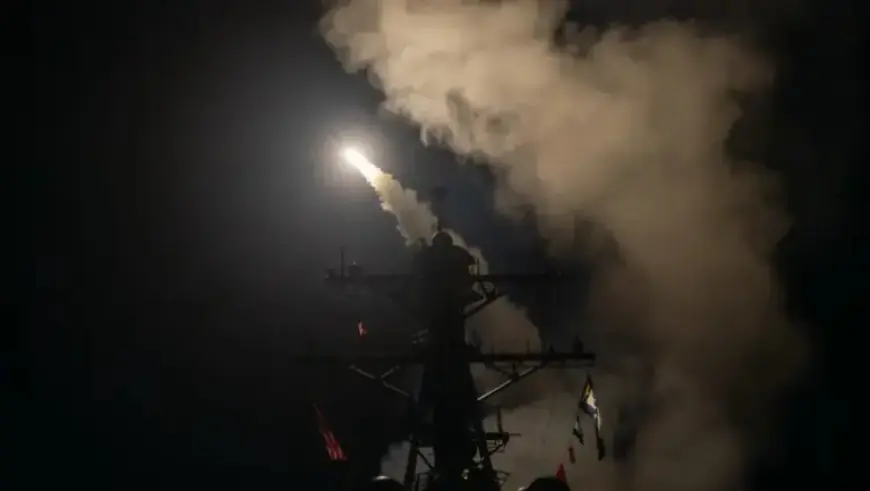
In a recent bipartisan agreement, House and Senate appropriators have set the defense budget for fiscal year 2026 at $838.7 billion. This allocation marks an increase of $8.4 billion over the Pentagon’s original funding request. Despite this boost, appropriators have opted not to fulfill additional funding requests from the Department of Defense (DOD) totaling over $50 billion.
Details of the FY26 Defense Bill
The defense budget includes substantial adjustments but leaves significant munitions procurement needs unmet. Major elements affecting funding include:
- Funding Discrepancies: The DOD identified $26.5 billion in shortfalls due to accounting errors.
- Emergent Requirements: An additional $2.3 billion was sought for urgent needs.
- Munitions Procurement: The DOD proposed $28.8 billion for multiyear contracts but received only a $1.8 billion allocation.
Appropriators indicated their willingness to collaborate with the Pentagon to address these shortfalls but acknowledged the difficulties in providing comprehensive funding through the current appropriations process.
Munitions Funding and Prioritization
The agreement includes funding for eight specific munitions under multiyear procurement:
- PAC-3 Missiles
- Standard Missile 6 (SM-6)
- Terminal High Altitude Area Defense (THAAD)
- Advanced Medium Range Air-to-Air Missiles (AMRAAM)
- Tomahawk Cruise Missiles
- Long Range Anti-Ship Missile (LRASM)
- Joint Air-to-Surface Standoff Missile Extended Range (JASSM-ER)
- Standard Missile 3 Block IB (SM-3 IB)
This list reflects a strategic focus on munitions funding despite the rejected larger request from the Pentagon, criticized by both Republican and Democratic lawmakers for insufficient documentation and planning.
Addressing Supply Chain Challenges
Amidst ongoing supply chain issues, particularly regarding solid rocket motors, the bill allocates $500 million for upgrades to production facilities. This money intends to enhance competition and expand the industrial base for these crucial components.
Impact on Military Branches
Each military service faces distinct funding changes as a result of the agreement:
- Army: Funding was slashed for various programs, including a reduction in funds for the Armored Multi-Purpose Vehicle from $554 million to $415 million.
- Navy: The Navy received an additional $897 million for the development of the F/A-XX sixth-generation fighter.
- Air Force: Notably, $1.1 billion was earmarked for the E-7 Wedgetail radar aircraft, which the Pentagon previously sought to cut.
- Space Force: The Space Force’s procurement budget received a boost of $642 million, despite cuts to its research and development budget.
The FY26 defense bill aims to strengthen the military’s capabilities while addressing existing challenges. However, leaders emphasize the necessity for sustained and predictable funding to meet evolving defense needs effectively.