
















Minnesota’s Fight to Dismantle ICE Operations

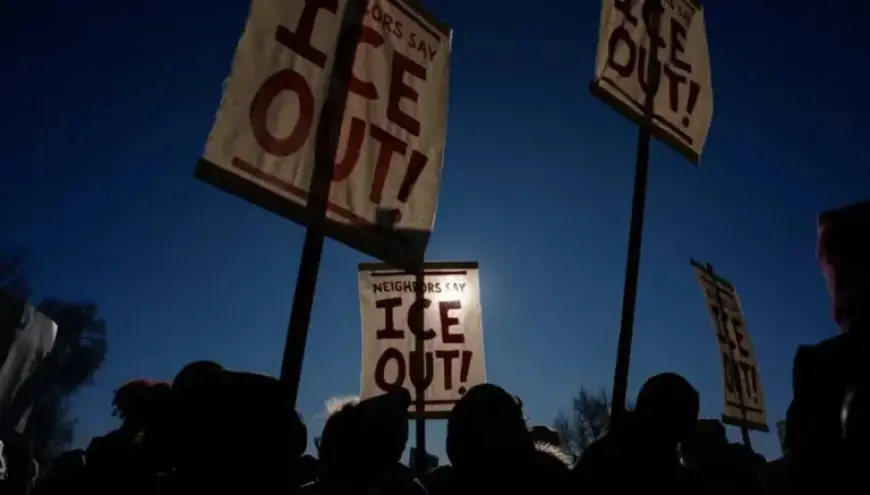
Minnesota has become a focal point in the ongoing national debate surrounding Immigration and Customs Enforcement (ICE) operations. The state has enacted various policies that complicate the enforcement of federal immigration law. This has led to a significant divide between local laws and federal immigration agendas in many areas, especially in heavily Democratic cities like Minneapolis.
Minnesota’s Fight to Dismantle ICE Operations
In many jurisdictions across Minnesota, sanctuary laws have been established. These laws aim to create barriers that prevent local law enforcement from cooperating with ICE officers. This means that when individuals with criminal records are released from local jails, federal immigration officials are often not alerted, allowing these individuals to remain in the community.
Diverging Perspectives on ICE
Republican strategist Matt Gorman highlighted the challenges faced by ICE during a recent television appearance. He suggested that allowing local law enforcement access to jails would enable ICE to apprehend criminals more effectively. Many see the current local policies as intentional hurdles designed to complicate federal immigration enforcement.
- ICE struggles to detain individuals with criminal records.
- Local laws prevent cooperation between state and federal authorities.
- Communities experience heightened tensions as a result.
The Legislative Landscape
Meanwhile, in Washington D.C., discussions about the future of ICE continue to intensify. A faction of progressive Democrats advocates for abolishing or significantly defunding ICE. They argue that the agency contributes to a flawed system of immigration enforcement. Alternatively, many moderate Democrats worry that extinction of ICE could lead to unregulated immigration.
The Searchlight Institute, a moderate Democratic think tank, cautions that eliminating ICE could create a vacuum that encourages illegal immigration. An upcoming vote in the House of Representatives may reveal the extent of bipartisan support for maintaining the agency.
Recent Protests and Legal Challenges
A recent protest in Minneapolis spotlighted the ongoing tensions between activists and ICE. Protesters disrupted a church service, claiming a right to free speech that allowed them to interfere with the worshippers. However, legal experts argue that such actions likely violate the Freedom of Access to Clinic Entrances Act, which protects individuals exercising their First Amendment rights in places of worship.
State Attorney General Keith Ellison defended the protesters’ actions, characterizing them as a form of constitutional expression. Meanwhile, national interest in the protests has grown, with various entities, including the Justice Department, investigating the incident further.
Continuing Contentions
As Minnesota grapples with its unique stance on ICE operations, the broader national dialogue is far from settled. Activists and lawmakers continue to exert pressure from both sides, leading to significant uncertainty regarding the future of ICE and its role in immigration enforcement.
This complex landscape indicates that Minnesota’s fight to dismantle ICE operations will likely persist, echoing in halls of Congress and throughout local communities across the state.