Kazakhstan’s Contemporary Art Scene Thrives in Breakout Year

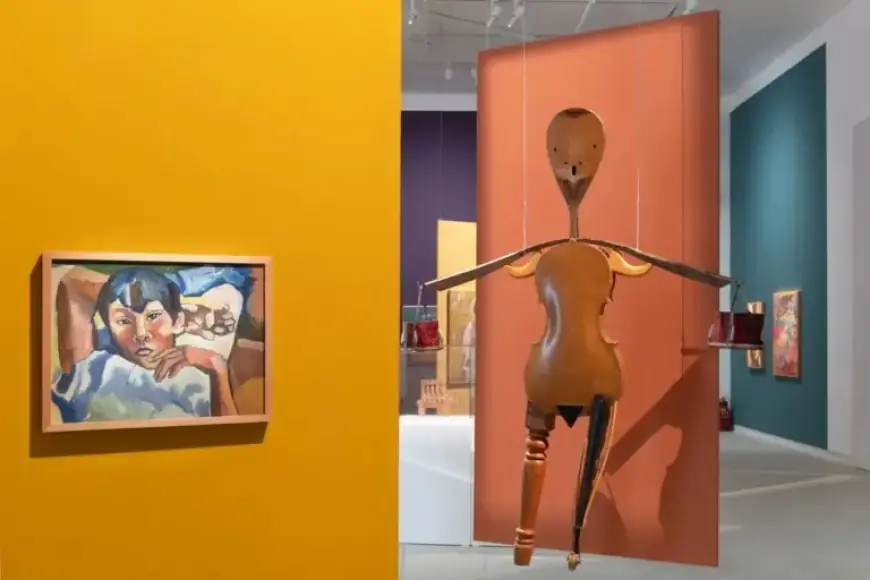
In 2025, Kazakhstan’s contemporary art scene experienced significant growth, marking a pivotal year in its cultural evolution. This surge was evident not only through increased public interest but also through the establishment of new institutions and major international collaborations.
Kazakhstan’s Contemporary Art Scene: A Breakout Year
Throughout the year, the focus on contemporary art expanded beyond insider circles. The art movement claimed urban spaces and gained recognition on international platforms, establishing a solid presence both locally and globally.
New Institutions Transforming the Art Landscape
Almaty emerged as the key hub for contemporary art, with several notable openings in 2025.
- Almaty Museum of Arts (ALMA): Opened on September 12, 2025, ALMA became one of Central Asia’s largest contemporary art museums, promoting global artistic discourse with a collection of about 700 works.
- Tselinny Center of Contemporary Culture: Inaugurated on September 5, 2025, this center revitalized a former Soviet cinema and included exhibition spaces, a library, and workshop areas.
- A. Kasteev State Museum of Arts: Celebrating its 90th anniversary, it attained National Museum status, unveiling a gallery focused on contemporary Kazakhstani art.
Major Exhibitions and Festivals
The year also featured dynamic art events across the nation, with Astana taking center stage.
- Astana Art FAIR: Held in June, this significant festival emphasized the connection between humanity and technology, showcasing talents from over 15 countries.
- TIREK Exhibition: Launched in December, this data-art exhibit focused on women’s health, representing a progressive approach to contemporary issues.
- Louvre Exhibition: The National Museum of Kazakhstan hosted an exhibition of antiquities from the Louvre, reinforcing international cultural ties.
Kazakhstani Artists on the Global Stage
2025 marked a notable international presence for Kazakhstani artists, who participated in prestigious biennials and art fairs.
- Bukhara Biennial 2025: Running from September 5 to November 20, this biennial included over 70 projects, showcasing Kazakhstani artists’ interpretations of cultural dialogue.
- Art Dubai: Participation in April highlighted Gulnur Mukazhanova’s solo project, emphasizing local artistic narratives in global contexts.
- Abu Dhabi Art: The Aspan Gallery made its debut, featuring Erbosyn Meldibekov’s work on memory and architecture.
Acknowledgements and Cultural Support
As awareness of Central Asian art grew, significant recognition included:
- The acquisition of Said Atabekov’s photographic series by Belgium’s M HKA Museum.
- Lyazzat Khanim receiving a special award at the VIDEOFORMES 2025 media art festival.
- The launch of the international Art Future residency at Esentai Gallery in partnership with Spain.
Conclusion: A New Phase in Kazakhstan’s Cultural Development
Collectively, the events of 2025 underline Kazakhstan’s emergence as a vibrant center for contemporary art. With new institutions, rich cultural programming, and a commitment to artistic innovation, the nation is poised to further assert its place on the global art stage.