Steven Rostovsky Explains the Rise of Classic, Simple Watches

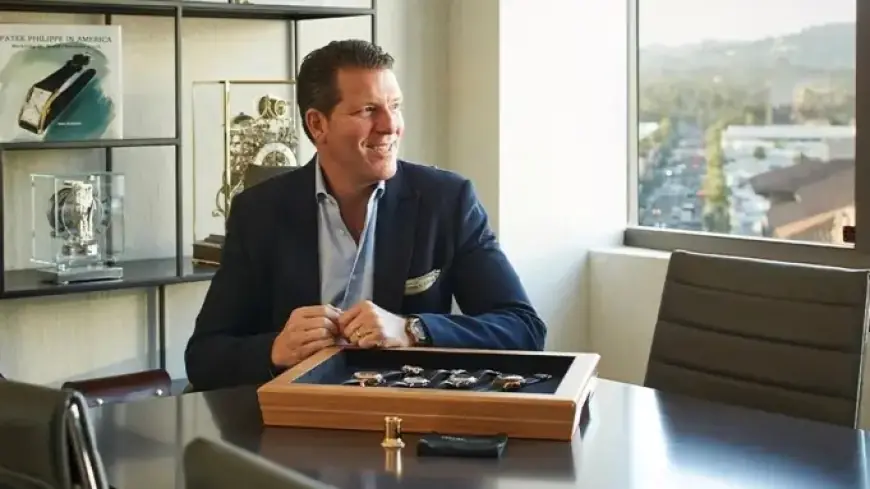
In recent discussions with Steven Rostovsky, a Los Angeles dealer known for his expertise in rare pre-owned watches, significant changes in the watch market have been highlighted. Rostovsky emphasizes the growing popularity of classic and simple watch designs, predicting they will capture consumer interest in the coming year.
Impact of Tariffs and Currency on Watch Prices
The U.S. watch industry has faced challenges due to tariffs on Swiss imports. These tariffs initially surged to 39 percent, prompting many dealers, including Rostovsky, to shift focus to domestic buying strategies. Instead of importing, he opted to purchase watches from local suppliers.
By December, when tariffs dropped to 15 percent, Rostovsky reintroduced imports, including the Daniel Roth brand. He reports that despite these fluctuations, prices in the U.S. are still about 6 percent higher than in other markets, largely due to the depreciation of the dollar.
Market Resilience in 2025
Despite apprehensions regarding tariffs, the watch sales landscape has shown unexpected resilience. Rostovsky noted that the last quarter of 2025 outperformed expectations, reflecting a strong demand within the market. He believes that the ongoing interest in luxury watches will continue into 2026.
Emerging Trends in Watch Design
Currently, there is a shift towards classic and simple watch designs. Rostovsky points out that buyers are moving away from oversized, complex pieces. Instead, they are gravitating towards elegantly crafted watches with classic round cases.
- Growing preference for simple, beautifully made watches.
- Continued interest in neo-vintage styles from the 1990s and early 2000s.
- The return to classic designs reflects a desire for rarity and craftsmanship.
Challenges in the Gold Watch Market
The rising price of gold, now around $4,600, has caused some dealers to assess watches solely based on gold content. Rostovsky, however, advocates for valuing watches based on their overall design and craftsmanship rather than just their gold weight.
Shifting Global Pricing Dynamics
The concept of global pricing parity in the luxury watch sector is changing. Previously aimed at keeping U.S. prices competitive, current market conditions indicate higher prices in the U.S. compared to key markets like Hong Kong and Geneva.
Rostovsky surmises that consumers will likely accept these higher prices in the U.S., given the added value of avoiding VAT incurred in other countries. This shift suggests that while the luxury watch market faces challenges, the interest from collectors and buyers remains robust.
- Increased interest in independent watch brands, including Daniel Roth.
- Collectors are diversifying their preferences from established brands to independent makers.
- Limited production from independent brands maintains exclusivity.
With evolving consumer preferences and market dynamics, Rostovsky remains optimistic about the future of classic, simple watches as they continue to capture the hearts of enthusiasts and collectors alike.