























Trump Advisers Question Military Ambitions in Greenland: Is Diplomacy an Option?

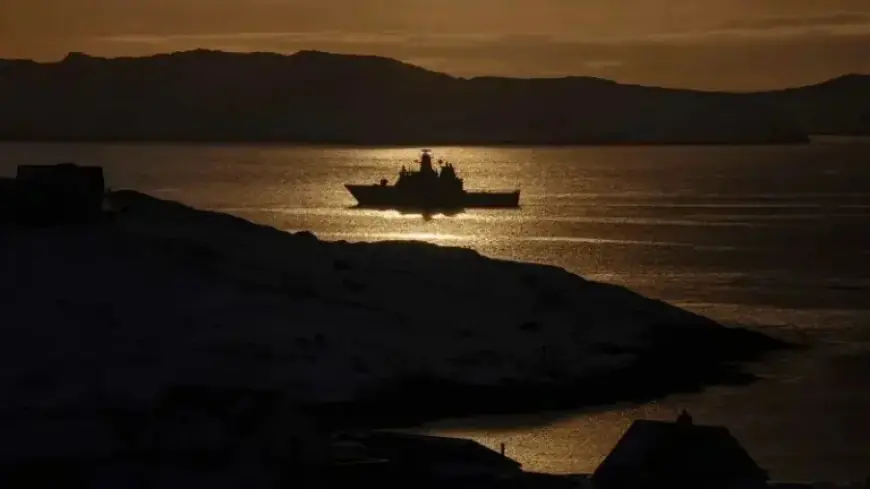
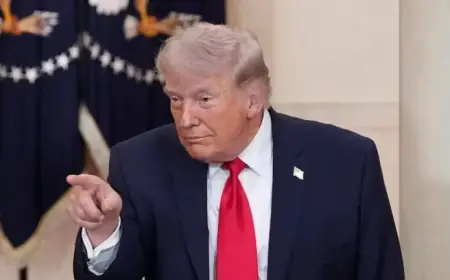
Recent discussions among Trump’s advisers have highlighted the military ambitions of the United States in Greenland, sparking questions about diplomacy and potential alliances. President Donald Trump, upon returning from a vacation in January 2020, expressed his preoccupation with Greenland’s strategic significance.
Trump’s Greenland Ambitions
Initially, Trump’s interest in acquiring Greenland arose during his first term. His repeated inquiries about purchasing the territory indicated a fixation that has turned into a significant issue in U.S.-European relations. By early 2020, this fixation escalated, causing concern among European allies.
Advisers Disagree on Strategy
- Many advisers agree on Greenland’s importance for national security.
- Not all advisers share the same views on how to secure U.S. control.
- Some suggest the use of tariffs as a negotiation tactic rather than military action.
Some officials believe threatening tariffs could pressure Denmark into negotiations about cooperative control of the territory. White House spokesperson Anna Kelly affirmed the administration’s readiness to implement any acquisition plan the President deems necessary.
Diplomatic Maneuvers
Despite escalating rhetoric from Trump, some European leaders remain optimistic about possible negotiations. Conversations between Trump and leaders like British Prime Minister Keir Starmer suggest he may not fully understand the European military presence in Greenland.
NATO Secretary General Mark Rutte and other officials express a desire for diplomacy over conflict, hoping for a compromise that could benefit both sides.
The Bigger Picture: Military and Strategic Context
Trump’s renewed focus on Greenland follows the U.S. military success against Venezuelan President Nicolás Maduro. This victory intensified Trump’s belief in expanding American dominance, particularly in the Arctic, amid rising concerns of Russian and Chinese influence.
Potential Military Actions
The administration has hinted at military action as a possibility, with advisers like Stephen Miller endorsing the view that strength governs international relations. Trump’s comments suggest he believes the U.S. must act decisively in Greenland to maintain security.
Tariff Threats and European Relations
Comments made about imposing tariffs on nations opposing U.S. interests in Greenland have raised alarm. As Trump prepared to impose these tariffs on multiple European countries, the urgency surrounding the Greenland situation intensified further.
- Countries targeted for tariffs include Denmark, Norway, Sweden, and Germany.
- Initial tariffs may start at 10% and rise to 25% if negotiations fail.
European diplomats view these developments with frustration and concern, recognizing the precarious nature of their relationship with the U.S.
Conclusion: Path Forward
As discussions continue, the prospect of a diplomatic resolution to the Greenland issue remains uncertain. The Trump administration appears steadfast in its ambition to control Greenland, prioritizing it as a strategic asset in its global defense strategy.
Moving forward, the ability of diplomats from both sides to strike a balance between U.S. ambitions and European concerns will be crucial in determining the future of Greenland. With significant global implications at stake, the world watches closely.