





















Venezuelans Divided as Revolutionary Ideal Diminishes

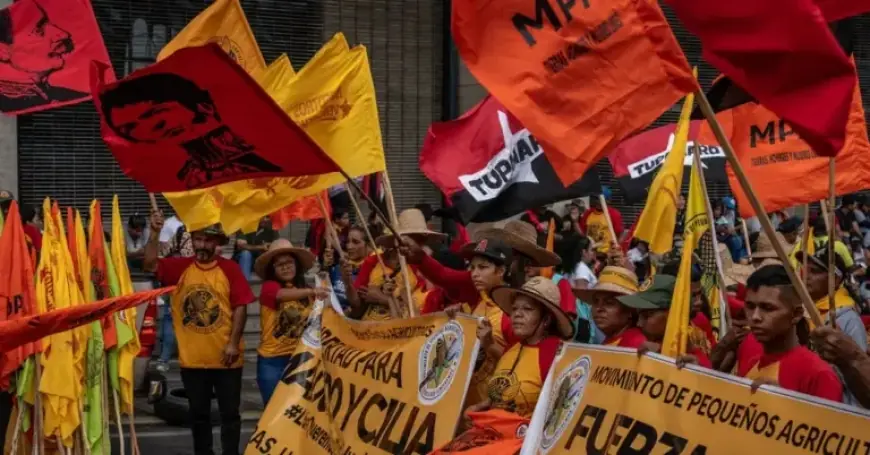
In recent years, Venezuela has witnessed a profound ideological shift as the revolutionary ideals of “Chavismo” appear to wane. This ideology, which aimed to utilize the nation’s oil wealth for the betterment of the poor and to resist U.S. imperialism, faces significant challenges in the current political landscape.
Shifting Dynamics in Venezuela’s Government
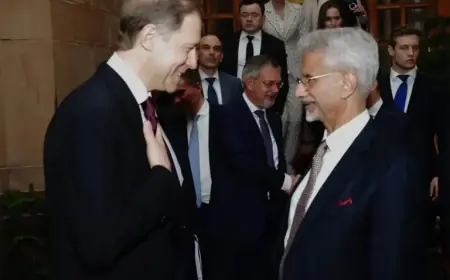
On March 12, 2023, the director of the CIA engaged in discussions with Venezuela’s interim president, emphasizing a new strategic partnership between the two nations. This meeting comes in the wake of increased tension following the U.S. attempt to remove President Nicolás Maduro from power, a controversial action that has left many Venezuelans grappling with their government’s newfound alignment with Washington.
Maduro remains in power despite being under U.S. indictment while his administration continues to function through officials who identify as Chavistas. However, these individuals face scrutiny from traditionalists who cling to the foundational principles established by former President Hugo Chávez, which included socialism, nationalism, and a staunch anti-American sentiment.
The Public Reaction and Anti-American Sentiment
- Many Venezuelans are expressing their opposition to selling oil to the U.S., believing it compromises their sovereignty.
- A 63-year-old resident, who requested anonymity, vocally criticized any collaboration, emphasizing “Zero oil, zero oil!”
- Protests erupted following Maduro’s detention, with crowds chanting numerous anti-American slogans.
Delcy Rodríguez, the interim president, recently delivered a State of the Union address attempting to balance anti-U.S. rhetoric with the reality of the current diplomatic landscape. She condemned foreign interventions while simultaneously advocating for new investments in Venezuela’s oil sector.
Revised Rhetoric and Internal Dissent
Rodríguez introduced a new phrase, “Dudar es traicionar,” signaling a shift in the government’s messaging to quell dissent among its supporters. This phrase, which translates to “Doubt is treason,” now appears on merchandise distributed by the government, reflecting a push towards unity in the face of perceived betrayal.
The Economic Toll and Internal Strife
Since 2013, economic mismanagement, in conjunction with a drop in oil prices, has devastated Venezuela. Sanctions imposed by the U.S. did not begin until 2017, but the earlier years of misgovernance had already triggered widespread poverty. Around eight million Venezuelans have fled the country as a result.
Critics argue that while ordinary citizens suffer from hunger and lack of supplies, the Maduro regime has continued to prioritize the military, creating a framework that resembles a kleptocracy. This situation has raised serious concerns about the long-term consequences of Chavismo under Maduro’s leadership.
Chavismo’s Ideological Dilemma
Experts note that the essence of Chavismo is unraveling, especially with leaders who once celebrated Chávez’s vision now questioning the motives behind current alliances with the U.S. Alejandro Velasco, a history professor, highlighted the ideological fractures in Chavismo since Maduro’s ascension, emphasizing the lost focus on empowering the marginalized.
Despite some Chavistas expressing gratitude for past successes, they are increasingly uneasy about the current trajectory. Concerns loom regarding the nation’s oil wealth and its potential exploitation by foreign powers.
As Victor, a local protester, remarked, “We fight for our homeland. We do not want to be slaves.” The ongoing struggle reflects a deep-rooted desire for autonomy in the face of changing alliances and the fading revolutionary ideals.
In conclusion, while Venezuela grapples with its identity and future, the fundamental principles of Chavismo remain under intense scrutiny. Many Venezuelans now stand divided as the revolutionary dream faces an uncertain reality.