

























Canada Introduces Compensation Plan for Prohibited Assault-Style Firearms

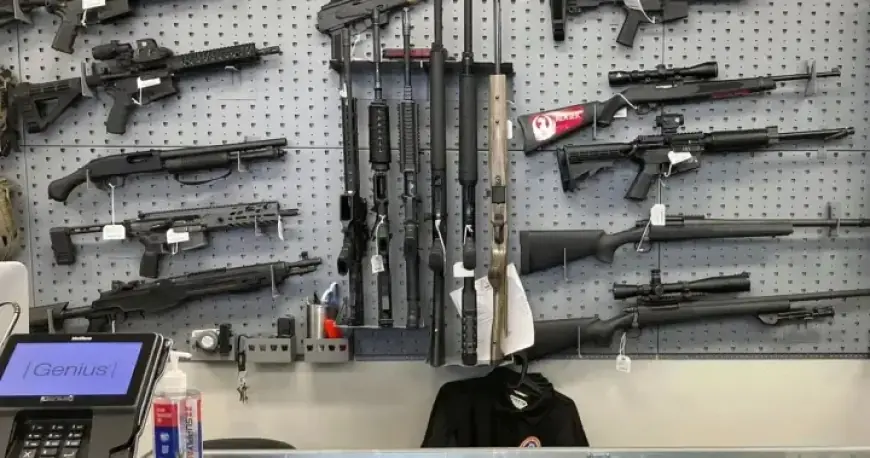
Canada has initiated a compensation program for owners of prohibited assault-style firearms, set to run until March 31, 2026. Public Safety Minister Gary Anandasangaree made the announcement in Montreal, underlining the government’s commitment to reducing gun violence.
Details of the Compensation Plan
This program is intended to incentivize owners to surrender or permanently deactivate their firearms. The government is offering compensation primarily on a first-come, first-served basis, with nearly $250 million allocated for this purpose. An estimated 136,000 firearms are expected to qualify for compensation.
Key Dates and Procedures
- Declaration Period: Begins Monday for eligible firearm license holders.
- Deadline for Disposal: All prohibited firearms must be disposed of or deactivated by October 30, 2026.
After declaring participation, owners must schedule appointments to surrender their firearms to the RCMP, local police, or designated mobile units for destruction.
Background on Banned Firearms
Since May 2020, Canada has banned approximately 2,500 models of assault-style firearms, including the well-known AR-15. The government claims these firearms, designed for military use, have no place in civilian life.
Response from Officials and Advocates
Minister Anandasangaree emphasized the urgency of compliance with the new regulations to ensure community safety. He stated, “Prohibiting and removing these firearms is crucial for tackling gun violence in our nation.”
However, several provinces, including Alberta and Ontario, have expressed reluctance to administer the program. Critics argue that the initiative is costly and question its effectiveness.
Concerns and Criticism
The Canadian Taxpayers Federation (CTF) has called for the program’s cancellation, referencing a prior pilot project in Cape Breton that achieved limited results. According to CTF representatives, only 25 firearms were collected, falling far short of the 200 target.
Gun owners and their advocacy groups are also raising alarms. The Canadian Coalition for Firearm Rights (CCFR) claimed that the compensation offered may not be equitable, potentially leaving over 90% of gun owners without sufficient recourse.
Next Steps
The federal government has also planned for a broader strategy to tackle gun violence. This includes hiring additional RCMP and Canada Border Services personnel, tightening handgun regulations, and reassessing the national firearms classification system.
For ongoing updates about the compensation plan and further information, please visit Filmogaz.com.