

















Newsom Challenges Trump, Offers Free Parks Entry on MLK Day

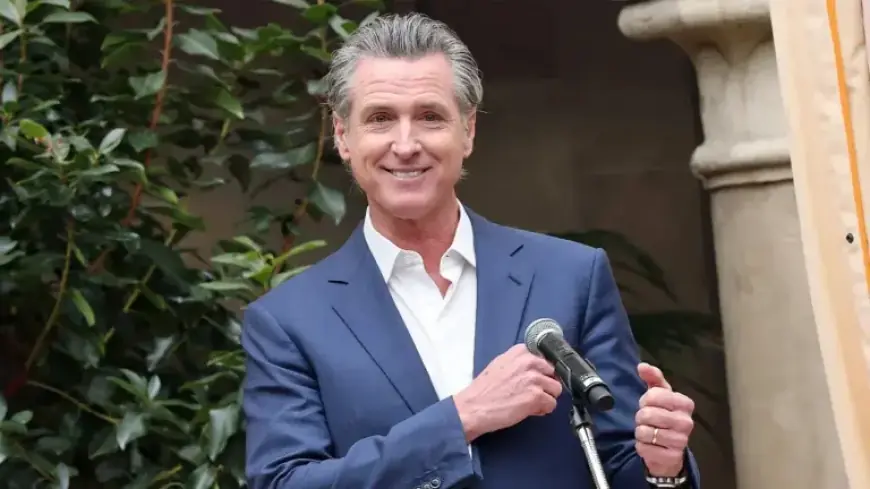
In a significant move, California Governor Gavin Newsom has announced that over 200 state parks will be free to enter on Martin Luther King Jr. Day, January 19, 2026. This decision comes in direct response to the Trump administration’s recent policy changes regarding national parks.
Response to Trump’s Policy Change
Last month, President Donald Trump removed Martin Luther King Jr. Day, along with Juneteenth and National Public Lands Day, from the list of fee-free days in 2026. Instead, his administration introduced alternative dates focused on historical and presidential themes, including Trump’s birthday.
California’s Commitment to Dr. King
Governor Newsom’s initiative aims to honor Dr. King’s legacy at a time when national recognition of his contributions is being diminished. Newsom stated, “While Trump works to erase Dr. King’s legacy, California will honor it.” He aims to encourage Californians to connect with nature and reflect on civil rights.
Details of Free Entry
Free admission will cover vehicle day-use fees at more than 200 participating parks across California. This initiative is funded by the California State Parks Foundation, not taxpayer dollars. The governor highlighted the importance of fostering a lifelong connection to the state’s natural and cultural treasures.
Participating Parks
- Big Basin Redwoods
- Half Moon Bay
- Sugarloaf Ridge
- Doheny State Beach
- Wildwood Canyon Park
- Folsom Lake
- Bidwell Mansion
- Lake Oroville
Some specific areas, such as off-highway vehicle recreation zones and locations with tour fees like Hearst Castle, will still require fees. For a complete list of participating parks, visit parks.ca.gov/MLKDay2026.
A Broader Celebration of Civil Rights
State Senator Akilah Weber Pierson emphasized the juxtaposition of California’s celebration of civil rights against recent federal decisions. She noted that opening parks encourages communal bonding and reinforces Dr. King’s legacy.
With this initiative, California aims not only to honor a significant figure in American history but also to maintain public access to its treasured landscapes amidst changing federal policies.